‘Stop the Ethnic Cleansing’: Watch and Read the Most Powerful Oscars Speech for Years 

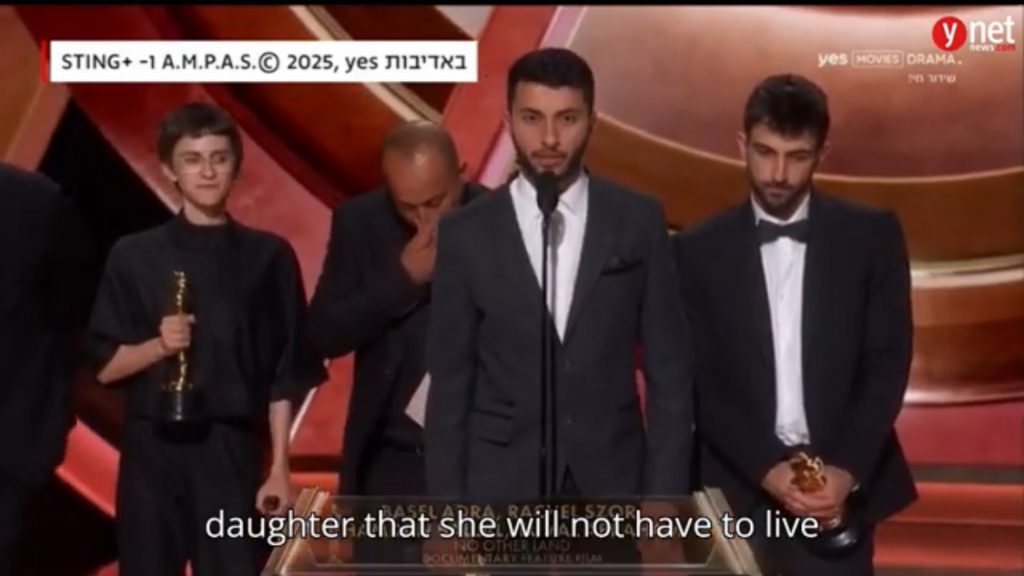
Remarkable and historic speeches from both Palestinian co-director Basel Adra and Israeli co-director Yuval Abraham, after their film ‘No Other Land’ won the Oscar for Best Documentary.

MEHDI HASAN, MAR 03, 2025

Source: zeteo.com
Hollywood has been cracking down on pro-Palestine voices since Oct. 7th, 2023, from the firing of Melissa Barrera from ‘Scream 7’, to the demotion of CAA power agent Maha Dakhil, to Susan Sarandon saying her “projects were pulled.”

It was, therefore, a rather pleasant surprise to see the most elite Hollywood audience of all – the crowd at the 97th Academy Awards ceremony at the Dolby Theater on Sunday evening – loudly applauding and cheering a Palestinian onstage, in primetime, as he decried the “ethnic cleansing” of his people and the “atrocious destruction of Gaza.”

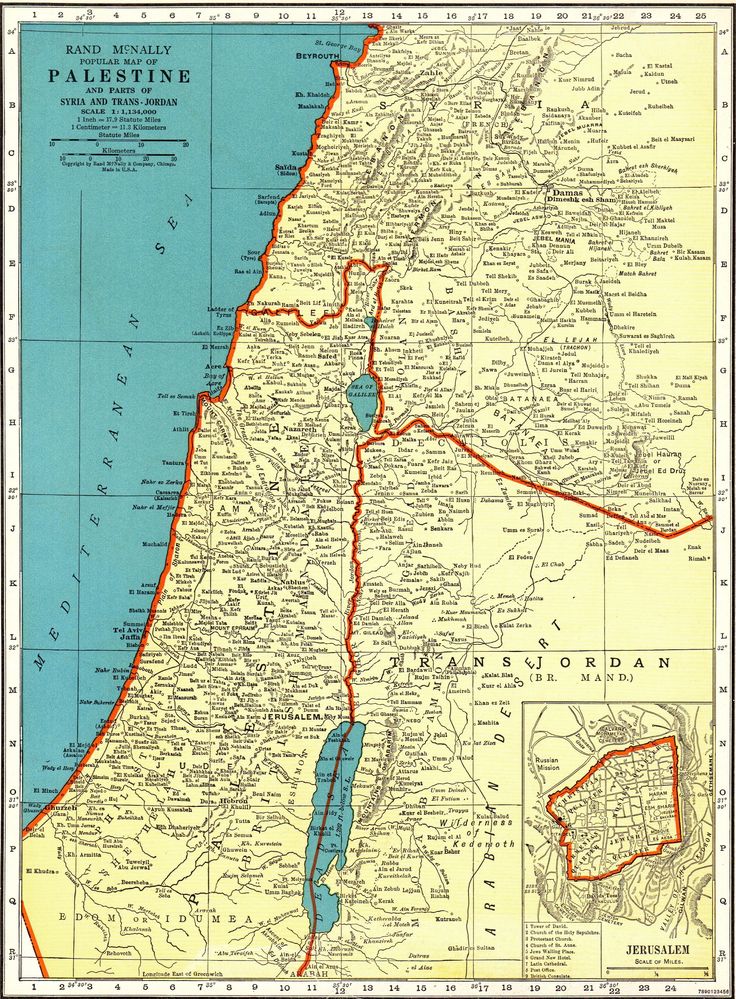
Basel Adra is the Palestinian co-director of ‘No Other Land,’ which won the Oscar for Best Documentary on Sunday. The film was made by a Palestinian-Israeli collective of four activists – Adra, Hamdan Ballal, Yuval Abraham and Rachel Szor – and tells the story of the destruction of Masafer Yatta, in the occupied West Bank, by the Israeli military. The title, ‘No Other Land,’ comes from a woman in the film who asks where else the Palestinians of the West Bank are supposed to go. 

Abraham, in his acceptance speech, not only highlighted the “ethnic supremacy” instituted by his country in the Occupied Palestinian Territories but also challenged the destructive role of the United States: “I have to say, as I am here, the foreign policy in this country is helping to block this path [to peace].”

Got that? Not only did a film about occupied and persecuted Palestinians win an Oscar, but the great and the good of Hollywood put their hands together for two speeches slamming “ethnic cleansing” and “ethnic supremacy” in Palestine. To quote the title of a previous Oscar winner’s best song: Times Have Changed. 

Nevertheless, they haven’t changed enough. As the New York Times noted on Sunday night, the film’s Oscar win represents “a landmark and a rebuke. Despite a string of honors and rave reviews, no distributor would pick up this film in the United States, making it nearly impossible for American filmgoers to see it in theaters or to stream it.”

As I have said many times before, the biggest victims of so-called ‘cancel culture’ in the US remain the Palestinian people and their supporters. The shameful treatment of ‘No Other Land’ by the big distributors in our movie industry is just the latest and best example of that. 

So let us do our best to make sure Adra and Abraham’s powerful and historic speeches go far and wide. You can watch and read them in full below.

BASEL ADRA

“Thank you to the Academy for the award. It’s such a big honor for the four of us and everybody who supported us for this documentary. About two months ago, I became a father, and my hope to my daughter is that she will not have to live the same life I am living now, always fearing violence, home demolitions, forced displacement that my community, Masafer Yatta, is facing every day. ‘No Other Land’ reflects the harsh reality we have been enduring for decades and still resist as we call on the world to take serious actions to stop the injustice and to stop the ethnic cleansing of Palestinian people.”

YUVAL ABRAHAM

“We made this film, Palestinians and Israelis, because together our voices are stronger. We see each other. The atrocious destruction of Gaza and its people, which must end; the Israeli hostages brutally taken in the crime of Oct. 7, which must be freed. When I look at Basel, I see my brother. But we are unequal. We live in a regime where I am free under civilian law and Basel is under military laws, that destroy lives, that he cannot control. There is a different path, a political solution without ethnic supremacy, with national rights for both of our people. And I have to say, as I am here, the foreign policy in this country is helping to block this path. Why? Can’t you see that we are intertwined? That my people can be truly safe if Basel’s people are truly free and safe? There is another way. It’s not too late for life, for the living.”
Watch

Posted in Basel Adra, USA | Tagged , , , , , , , , , | Comments Off on ‘Stop the Ethnic Cleansing’: Watch and Read the Most Powerful Oscars Speech for Years 

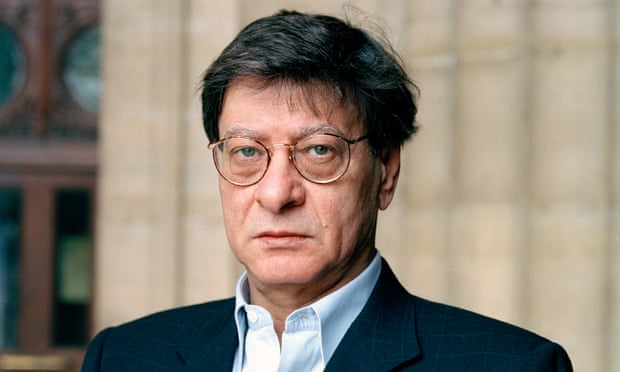
We Walk on the Bridge by Mahmoud Darwish

You're afflicted, like me, with a bird's journey and this happens in the afternoon, when you say: Take me to the river you foreign man, to the river take me my road upon your banks is long And we listen to what pedestrians say on the bridge:
"I have other things to do"
"I have a place on the ship"
"I have a share in life"
"And as for me, I must catch the subway I am late for memories and for the saxophone lesson, and my night is short"
We listen to what hidden longing for a mysterious street is in us: I have my life over there my life that caravans made then went on their way, and here I have my life as my bread's worth and my questions about a destiny a passing present tortures, and I have a beautiful chaotic tomorrow
Echo for echo: who of us said those words, me or the foreign woman? No one can return to another. Eternity performs its manual chores out of our lives then thrives ..
So let love be an unknown, and the unknown a kind of love. How strange to believe this and still love! Because
Posted in Mahmoud Darwish, Palestinian art & culture, Poems | Tagged | Comments Off on We Walk on the Bridge by Mahmoud Darwish

Mentality of  Zionism

AstroMystic, 14/5/25

Zionism, an intricate racist ideology deeply rooted in Jewish nationalism and the aspiration for a homeland in Palestine, stands as a focal point and where historical narratives, religious convictions, and contemporary geopolitics converge. It is like a curse of fate upon the Palestinians who have been suffering a lot from this brutal ideology which caused a lot of destruction to Palestinians and to the whole region of Middle East. It turned the Middle East into a hotbed of violence. Imagine how beautiful the Middle East would be without the ideology of Zionism, the right hand and extension of western colonialism. Yet, beneath its surface lies a contradiction regarding its alignment with liberal principles and its broader societal and political ramifications.

Theodor Herzl, an Austrian journalist, played a pivotal role in transforming Zionism into a political movement, advocating for the establishment of a Jewish national state in Palestine. However, critics, including philosopher Michael Marder, contend that a critical examination of Zionism is essential to address injustices perpetrated against its victims, encompassing both Palestinians and marginalized anti-Zionist Jews who have been sidelined in the mainstream narrative of Zionist history.

At its essence, Zionism represents a resurgence of nationalist fervor within Judaism, particularly evident with the establishment of the modern state of Israel, which came at the cost of the displacement of indigenous Palestinians and brutal killings and ethnic cleansing of Palestinians during its establishment in 1948. Central to Zionist ideology are notions of Jewish exceptionalism, the superstitious divine promise with the land of Israel, and a perceived conflict with non-Jewish entities. Some scholars view these beliefs as seeds of the bloody history of Zionism.

Zionism’s departure from Enlightenment ideals, such as individual liberty and the separation of church and state, in favor of a “racial philosophy of history” that positions Jews as a superior race. This departure from principles of equality and universalism raises fundamental questions about the compatibility of Zionism with liberal values. At its core, Zionism prioritizes group autonomy and privileges a specific ethnic/religious group over others, challenging the liberal principles of inclusivity and equality. Its compatibility with liberal principles remains doubtful and does not align with western values of liberalism.  

The emphasis of Zionist ideology on Palestine reflects a nationalist narrative that challenges the universalist ethos of liberal human rights. Prioritizing national identity over individual rights undermines the foundational tenets of liberalism, perpetuating tensions between Zionist aspirations and liberal values. While some pro-Zionism express concerns about the erosion of democratic ideals, it is essential to recognize that the inherent tension between Zionism and liberalism predates the establishment of the state of Israel. This tension underscores the complexity of the relationship between Zionism and liberal values.

Finally, the discourse surrounding Zionism necessitates a nuanced examination of its historical context, philosophical foundations, and contemporary implications on Palestinian people who have been living under the brutal occupation of Zionist state for more than 75 years.

Posted in Astromystic, News from the apartheid, Palestinian history | Tagged | Comments Off on Mentality of  Zionism

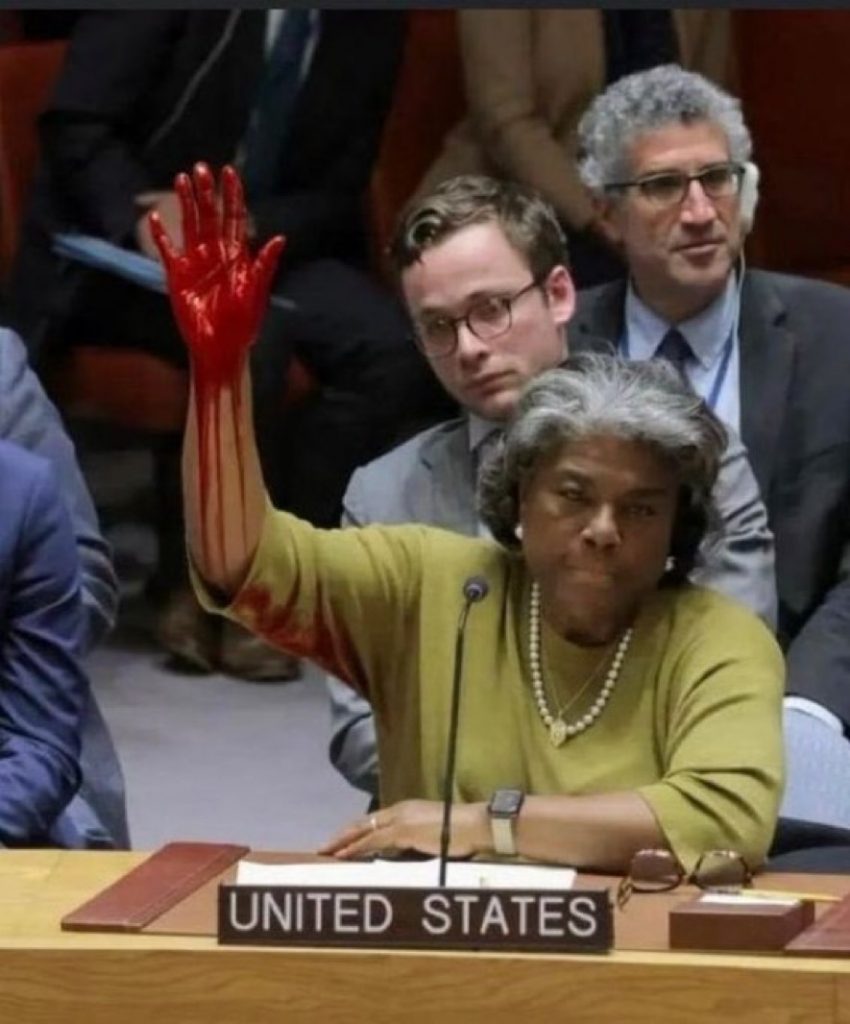
Linda Thomas-Greenfield: The Cruel Face of America 

Background 
On 22/12/23, the UN has passed a resolution to boost humanitarian aid to Gaza, following several delays over the last week as the United States lobbied to weaken the language regarding calls for a ceasefire. The resolution, which calls for steps “to create the conditions for a sustainable cessation of hostilities”, passed with 13 votes in favour, none against, and the US abstaining.


Hallowed halls of rhetoric and lies,
Linda, the envoy, wears a diplomatic guise.
American values, a hollow charade,
She condemns one side, a mockery displayed.

"Oh Linda," we sigh, sarcastic tone,
Selective empathy, the world has known.
UN podium, taking a stand,
Condemning Israeli woes, with a scripted hand.

Twenty thousand lost, Palestinian cries,
Sympathy for them, silence defies.
Are Israelis the sole recipients of grace?
Or do Palestinian lives not deserve a place?

Linda, the enigma, a monster in disguise,
Condemning one, while the other side cries.
Humanitarian values, a twisted masquerade,
In your selective condemnation parade.

So, let mockery echo loud and clear,
For hypocrisy displayed, drawing near.
In the dance of diplomacy, a dark ballet,
Linda, the question remains, which side do you betray?
Posted in Gaza, Justice, Massacres & genocides, Poems, USA | Tagged , , , | Comments Off on Linda Thomas-Greenfield: The Cruel Face of America 

Enough Injustice for the Palestinians

Who would like to support and keep the apartheid regime ? 

The Western governments seem to me to support Israel to slaughter the indigenous people of Palestine “from the river to the sea”. On the other hand they dare to quickly condemn protesters chanting “From the river to the sea, Palestine will be free” which literally aims to dismantle Israeli apartheid to creat one state for the Palestinians and Jews so they can live together peacefully with equal rights and responsibilities. 

This is perhaps indicative to all that the word ‘justice’ in the dictionary of western governments doesn’t apply to all people equally , and I’d rather dare to say ‘enough messing with our intelligence and end your racist policies of double standards’. 

South Africa is the best and humane example where all sovereign countries should follow and submit a genocide case against Israel to the International Court of Justice (ICJ) for killing more than 22 thousand Palestinians and injuring around 60 thousands in Gaza in less than 3 months. 

Will the ICJ be doing it’s job among the current ‘racist’ double standards? This is another and ultimate measure of the validity of international law and it’s  failed institutions. 

After the 75-year of miserable experience, Palestinians would like to say loudly and clearly ‘ENOUGH IS ENOUGH’. 

Posted in Justice, Palestinian diaspora, Palestinian history, UK | Tagged , , | Comments Off on Enough Injustice for the Palestinians

The Wall in the West Bank and Its Devastating Impact on Palestinian Lives

Astromystic, 26/12/25

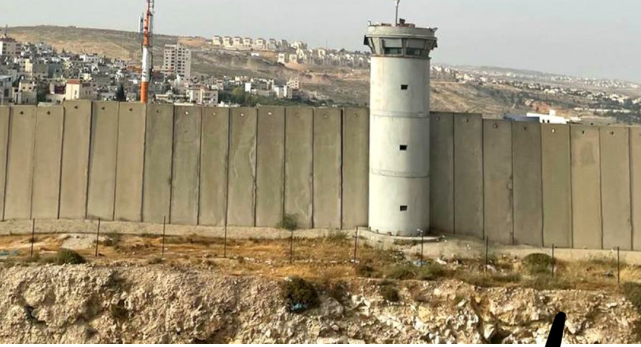
Stretching over 700 kilometers, Israel’s separation wall in the West Bank is more than a physical barrier—it is a symbol of occupation, a tool of control, and a profound disruption to the daily lives of Palestinians. Erected in the early 2000s, the wall cuts across Palestinian land, displacing communities, severing families, and destroying livelihoods. As detailed in Palestine Inside Out: An Everyday Occupation by Saree Makdisi, the wall is not merely a line on a map; it is a living, breathing imposition of military power that reshapes the geography, economy, and social fabric of Palestinian life.

For Palestinians, the wall is a daily reminder of exclusion. Families are split—children attending school on one side of the wall, parents working on the other. Fields and olive groves are lost to the wall’s footprint, while roads, markets, and access points are blocked or monitored by checkpoints. Villages like Bil’in, Be’erot, and Ramallah are physically and emotionally isolated, their connection to neighbors, towns, and the broader world severed. The wall’s construction is often carried out without consultation, without compensation, and without regard for the lived experience of those it displaces.

Beyond physical division, the wall has economic consequences. Palestinian farmers cannot access their land, small businesses cannot transport goods, and families cannot visit relatives. The psychological toll is equally severe. The wall fosters a sense of confinement, turning communities into “prison-like” enclaves. Children grow up with the wall as a constant shadow, and elders mourn lost land and lost connections.

Moreover, the wall is not just a barrier—it is a mechanism of control. Israeli forces use it to prevent Palestinian movements, to enforce curfews, and to protect settlements. It has become a tool of psychological warfare, reinforcing the idea that Palestinians are “other”—outside the law, outside the state, outside the narrative of normalcy. The wall’s presence normalizes surveillance, suspicion, and fear, embedding the logic of occupation into daily life.

Despite its physical permanence, the wall is not invincible. Palestinian communities have resisted through protests, legal challenges, and acts of civil disobedience. Yet, the wall’s impact remains profound. It is a testament to how occupation reconfigures space—not just to control, but to erase. For Palestinians, the wall is not just a line—it is a wound, a prison, a monument to displacement. The wall, then, is not just a boundary—it is a living story of resistance, resilience, and the enduring struggle for dignity. Until it is dismantled, Palestinians will continue to live with its shadow—a reminder that occupation is not abstract, but embedded in every step, every breath, every day.

Posted in Astromystic, Illegal Israeli settlements in Palestine, News from the apartheid, Palestinian art & culture, Palestinian history | Tagged , , , , , , , | Comments Off on The Wall in the West Bank and Its Devastating Impact on Palestinian Lives

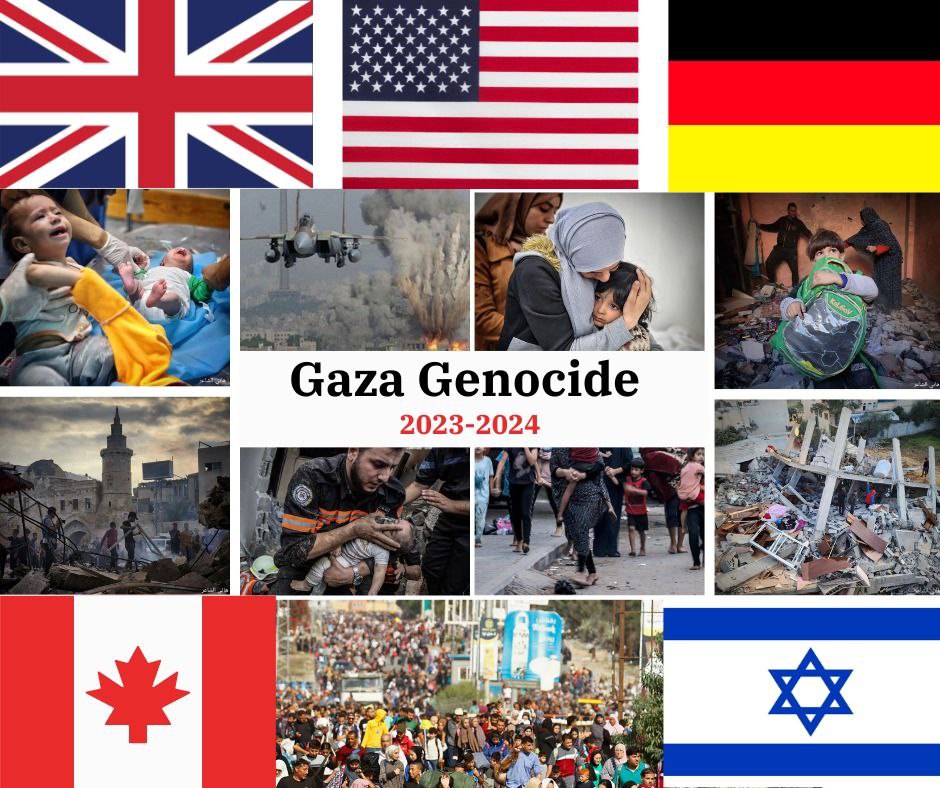
Hypocrisy and Double-Standard Unveiled: Contradictions in Global Responses to South Africa’s Genocide Case Against Israel

The South African genocide case filed with the International Court of Justice (ICJ) against Israel, accusing it of committing genocide against the Palestinian people in Gaza during the war that began in October 2023, has revealed the hypocrisy of some nations that have always claimed to protect human rights and uphold high moral standards.

Israel

President Isaac Herzog condemned the lawsuit, stating that “there is nothing more atrocious and preposterous.

United States

Voiced strong opposition, labeling South Africa’s submission as “meritless, counterproductive, and completely without any basis.

European Union

Maintained mostly silence on the ICJ case.

United Kingdom

Refused to support South Africa’s case, raising accusations of double standards due to submitting legal documents on Myanmar’s alleged genocide against the Rohingya community.

Canada

Prime Minister Justin Trudeau rejected the case, emphasizing support for the UN’s top court while disapproving of the case’s premise.

Germany

Announced plans to intervene, firmly rejecting the genocide accusation against Israel.

While these countries have taken their shameful stances, their objections to a case with humanitarian implications raise concerns. The rejection of South Africa’s genocide case against Israel, particularly by the United States, the United Kingdom, Canada, and Germany, challenges the pursuit of justice for human rights violations. Such opposition underscores the complexities of international relations, where political considerations sometimes overshadow the pursuit of accountability for grave humanitarian offenses. The case serves as a reminder of the intricate dynamics surrounding geopolitical decisions and their impact on global efforts to address human rights abuses through legal avenues.

The stance taken by Germany and the United Kingdom in response to South Africa’s genocide case against Israel raises notable contradictions in light of their historical contexts concerning genocide. Germany, given its dark history and crimes against humanity, firmly rejects the genocide accusation against Israel for committing ethnic cleansing against Palestinians. This stands in contrast to its alleged commitment to the UN Genocide Convention, which is undoubtedly a contradiction.

On the other hand, the United Kingdom’s refusal to support South Africa’s case, coupled with its recent submission of detailed legal documents regarding Myanmar’s alleged genocide against the Rohingya community, invites scrutiny. The contradiction lies in the UK’s seemingly selective approach to acknowledging and addressing genocidal allegations. Critics argue that such a stance may be perceived as a double standard, where historical awareness of genocide does not consistently inform the UK’s responses to contemporary accusations. This contrast highlights the complexity and nuances surrounding the interpretation and application of historical lessons in the context of international relations.

Posted in Justice | Tagged , | Comments Off on Hypocrisy and Double-Standard Unveiled: Contradictions in Global Responses to South Africa’s Genocide Case Against Israel

In Handala’s Playground: Season 2, Episode 10: Handala and the Kid from 2048 —The World That Finally Learned

S.T. Salah, 24/12/25

Scene:

The sun burns gold over a vast plaza lined with olive trees planted where concrete once divided lives.

The separation wall is gone — every stone dismantled, each slab crushed into gravel that now paves playgrounds and walking paths.

In the breeze, a faint echo of children laughing replaces the old hum of drones.

Across the square, signs mark the “Reclaimed Lands” — hundreds of former settlements, now returned to Palestinian families as part of a justice-for-land program.

Every new home bears a plaque: “Given back in compensation for the years of occupation.”

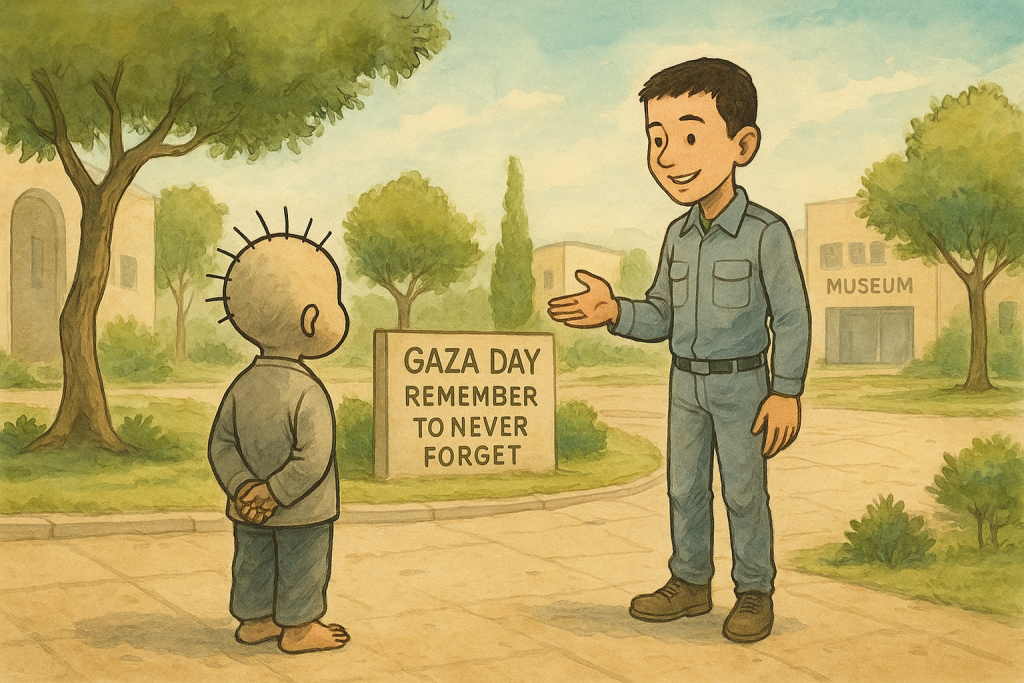
Handala stands where a museum once was rubble. His back still turned, fists small and unyielding.

A kid approaches, wearing a school badge that reads: “United Republic of Palestine-Israel — Department of Shared Memory.”

⸻

Kid (grinning):

You’re shorter than I imagined. But stronger. Our teachers say you carried the conscience of the world on your back.

Handala (without turning):

Carried it? No. I dragged it, kicking and screaming, through a century of excuses.

Kid (laughs):

You’ll be glad to know — the excuses didn’t survive the Truth Decade. The wall came down, the borders opened, the confiscated land was returned. We even turned the old checkpoints into art galleries.

Handala (dryly):

Art galleries? Fitting. The soldiers who once stopped ambulances can now stop and reflect.

Kid:

Exactly. And the settlements? They’re no longer fortresses. They were given to displaced families as reparations — the first tangible act of justice. Now they’re co-ops, schools, and tech hubs. You’d like them — every brick holds a confession.

Handala (a low hum):

And the world? Does it finally see what it looked away from?

Kid:

It had to. History made sure. The Museums of Gaza tell the story without filters — the starvation, the rubble, the lists of names that stretched longer than excuses. The footage that was once censored now opens every Gaza Day. People stand in silence, not out of guilt, but respect.

Handala:

And the people who justified it all?

Kid (shrugs, firm):

Judged by time, condemned by conscience. The tribunals after the Peace Accords named the crimes — not to punish the past, but to protect the future. The old powers who once shielded war criminals had to face their own hypocrisy. History didn’t forget them. We teach them in ethics classes under “The Cost of Complicity.”

Handala:

Good. Truth should have a syllabus. And what about your borders?

Kid:

Borders? Oh, you mean the lines where humanity used to stop?

They’re gone. People move freely. The new passport says “Equal Citizen.” Palestinians travel, study, work — everywhere. No one asks them for permits anymore, only stories.

Handala (half-smile):

Stories last longer than permits.

Kid (nodding):

That’s the idea. Our schools open with a line from your creator, Naji al-Ali: ‘Handala is the conscience that never dies.’

Now he’s part of the curriculum — Art of Resistance, Year One.

Handala (gruffly):

So, I’m homework now? That’s crueler than occupation.

Kid (grinning):

Sarcasm survived too, don’t worry. We kept it in your honor.

But you’d like our lessons — no censorship, no propaganda. We teach the old crimes not to shame, but to guard against forgetting. We call it Ethics of Memory.

Handala:

And the olive trees?

Kid:

They cover the hills again. Nobody burns them now. The groves were replanted over the ruins of demolished homes — as living monuments. Some people say when the wind moves through them, it sounds like forgiveness arguing with justice.

Handala:

Let justice win that argument. Forgiveness can follow later.

Kid (smiles softly):

It has. Every October, on Gaza Day, we pause — not for sorrow, but for renewal. Children light candles, teachers read the testimonies, and we plant one olive sapling for every town that was erased. Five hundred and fifty trees — every year. The land is green again.

Handala:

And the media? Still manufacturing silence?

Kid:

No. The new Charter of Journalism made “silence in the face of atrocity” an act of professional misconduct. Journalists who once looked away are now quoted in textbooks — as warnings. The press became the people’s conscience instead of their anesthetic.

Handala:

So… the world finally learned?

Kid:

It had to, or it wouldn’t have survived. When the occupation ended, humanity rediscovered itself. People finally understood that oppression anywhere poisons freedom everywhere. The lesson became law: there is no free world without a free Palestine.

Handala (slowly turns, facing the sunlight for the first time):

And the wall?

Kid:

Gone — ground into dust and mixed with soil to fertilize the olive groves. We called it “The Breaking of the Concrete.”

We built playgrounds on the rubble. Kids now play where snipers once perched. The laughter is loud enough to wake the ancestors.

Handala (a rare, tender smile):

Then maybe, finally, I can stop turning my back. Maybe the world has become something I can face.

Kid (salutes):

Welcome home, Handala. The land waited for you.

Handala:

No, child — it waited for all of us to grow up.

⸻

The plaza hums with life.

The olive trees sway over the foundations of what once was the wall.

A banner flutters between two lamp posts:

“Justice is the seed. Memory is the root. Peace is the fruit.”

And beneath it, the boy who never grew older finally smiles.

Posted in Gaza, Gaza Journalists, In Handala’s Playground, Justice, Massacres & genocides, Palestinian art & culture, Phalapoem editor | Tagged , , , , , , | Comments Off on In Handala’s Playground: Season 2, Episode 10: Handala and the Kid from 2048 —The World That Finally Learned

When the War Parts: A Poem from Gaza by Heba Al-Agha

I won’t be the same

might become a closet or a bed

a gas canister, a rug

a library 

a giant lap, one long embrace.

When the war parts

I won’t find a grave to visit 

for the road itself will be the graveyard

There will be no flowers to lay

as they too will have died.

No palms on graves, and no graves either.

I will stumble on a head here, a foot there, a friend’s face

on the ground, his bag carrying crumbs for the little ones.

Scattered eyes, I’ll see them everywhere

and a heart that has gotten lost, panting

will settle on my shoulder 

and I´ll walk it through the rubble

this broken stone with which we were killed. 

No history book said how

to prepare for the long war

no class taught to pitch a tent 

on the side of the road

no math teacher said that the corner 

fits ten people

no religion class revealed:

children also die

also rise

as a butterfly, a bird, a star.

I hated chalk once

and the morning lineup too

but loved to pause in an opening line

stroll through the Eastern line 

lose myself in the city perched on twin trees

But I am outside any city I know

outside all place and ejected from time 

to the dimension of Gaza, to ask 

what has happened what is happening

What is  the name of our street?

Have any of you seen our street, our house?

Do the neighborhoods still know each other?

Can the city recognize us? 

Can my mother? 

Is the sea counting the victims?

Does the sun rise to shield the bodies in the streets?

Can the merchants afford heaven?

Will these bodies sprout tall buildings that bear their names?

Their names, will we know them all?

My aunts, will they fathom the catastrophe?

The house, was it really our house?

Does the soldier sleep a night?

My throat is swollen

from words 

without remedy 

but bayt: this line, home.

Translator’s note: This poem was first published in Arabic on February 8, 2024 on Heba Al-Agha’s Telegram channel and later the same day on the website gazastory.com: https://gazastory.com/archives/5335. Since October 22, 2023, the author has been sharing her diary from Gaza through these two channels. The entries include poetry, freeform narration, descriptions, and visuals, as she is forced to move with her children from her home in Khan Younis to Rafah, where this poem was written. Her work has not been translated to English, except for a short text that will appear in a forthcoming issue of ArabLit Quarterly(translated also by Julia Choucair Vizoso). Heba and Julia have been communicating through WhatsApp, through a family member of Heba, intermittently, whenever communication is possible.

Heba Al-Agha is a mother, amateur writer, and creative writing educator at the A.M. Qattan Foundation in Gaza City. She does not belong to any writers’ unions and has not published any literary books, but works with an army of young writers training them in freedom and the power of writing. She writes at t.me/hebalaghatalkwarandhttps://gazastory.com/archives/author/hebaaga. 

Julia Choucair Vizoso is an independent scholar and seasonal translator. She hopes Heba Al-Agha’s words move you to refuse and resist the Israel-US genocide of the Palestinian people and destruction of Lebanon, wherever and however you can.

Posted in Gaza, Heba Al Agha, Palestinian art & culture | 1 Comment

Haaretz: The Zionist regime is like a Santa Claus for gifting destruction.

Israel’s reputation in the world steadily declines to that of a non-grata state, credit rating has dropped, the poverty index and the cost of living are flourishing, overloaded public services are collapsing, and the government (regime) is scratching its back while blaming everyone for the situation.

More than 130 prisoners are still in Gaza, and their families are consumed with lies, manipulations, and humiliations. Settlers of the northern and western Negev are refugees in their “own [occupied] land” and don’t know when they will return home, if there is a home left. In Gaza, there millions hungry and tens of thousands dead, most of them uninvolved, including 12,000 children – but Hamas is still alive and kicking; and every day, more israeli soldiers return in coffins to families whose world has collapsed.

Posted in Gaza, Massacres & genocides, News from the apartheid | Tagged | Comments Off on Haaretz: The Zionist regime is like a Santa Claus for gifting destruction.

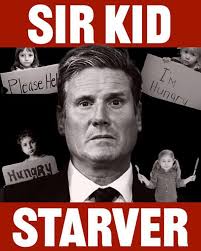
Sir Kid Starver “You are a Fucking Scumbag”.

Posted in Media, Politics, UK, Videos | Tagged , | Comments Off on Sir Kid Starver “You are a Fucking Scumbag”.

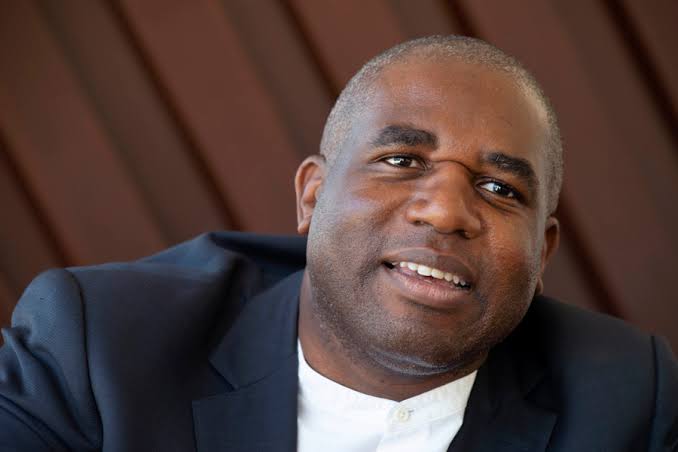
David Lammy- the Ugly Face of Britain

Posted in Evidence of Israeli Fascism and Nazism and Genocide, Francesca Albanese, Gaza, Massacres & genocides, Media, Politics, Videos | Tagged | Comments Off on David Lammy- the Ugly Face of Britain

In Handala’s Playground: Season 2, Episode 9: Israeli Security Without Humanity

S.T. Salah, 19/12/25


Handala (hands clasped behind his back, back to the reader):

You stand in a uniform and call it order. Tell me — what name do you give the empty cup you hand a man who asks only for water?

Israeli Guard (tight, practiced smile):

Procedure. Discipline. Measures for security.

Handala:

Procedure is a word people use to hide what they will not admit to their conscience. Do you feel secure when you deny another human the basics of life?

Israeli Guard:

We do what is necessary. The orders come from above, mainly from Ben-Gvir and Netanyahu.

Handala:

“Above” is a place for commands, not for conscience. When the ones above praise humiliation and racism as policy, whose face do you have to wash before you sleep?

Israeli Guard (bristles):

You speak as if you know the world of decisions. We protect Jewish citizens.

Handala:

Protection of one ethnic group that strips dignity from another becomes the very thing it pretends to guard against. If protection  means turning a person into a lesson, who taught you that lesson?

Israeli Guard:

Leaders set the rules. We carry them out. Loyalty matters.

Handala:

Loyalty to apartheid and racist laws! Loyalty to cruelty! There is a line between following an order and becoming the instrument of someone’s cruelty. Do you draw that line or blur it?

Israeli Guard (low):

We’re told the stakes are existential for our nation. The rhetoric is hot; the streets demand toughness and iron hand against our enemies. 

Handala:

Rhetoric is a fire that warms Israelis  and burns Palestinians. When your nazi leaders stoke flames with words that dehumanise, do you not notice that smoke in your own lungs?

Israeli Guard:

Politics is complicated. People in power say hard things.

Handala:

“Complicated” is a comfortable coat to wear when you’re standing barefoot over someone else’s life. When a policy promises nothing but humiliation and discrimination and racism, is that protection — or punishment dressed as policy?

Israeli Guard (shifts):

We follow the legal chain. If there are problems, they are for the courts to resolve.

Handala:

Which courts? Israeli courts are part of this illegal apartheid. They have never punish Israeli war criminals but punished the victims and stripped them from their rights. Who speaks for the silent, for the ones who can no longer speak because the rules were too racist? If you were the one cuffed, who would bet that the same chain would loosen?

Israeli Guard:

There are checks. There are reports.

Handala:

Reports written by the perpetrators are lies — and lies written on paper burn easily.

Who strikes the match when accountability is turned into politics?

When leaders cheer the breaking of human spirits, is that justice — or just theatre?

Israeli Guard (voice cracks):

You accuse my nation, you are anti-Semite.

Handala:

I accuse these acts — criminal, inhumane, and racist — for what they are.

And don’t hide behind your tired propaganda; remember, I am Semitic too.

Nations are built by many hands: some create, some destroy.

You chose which hand to be — the one that breaks, not the one that builds.

Israeli Guard:

I am only one. What can one man do against a whole machine?

Handala:

One man can refuse to be the cog that grinds. One man can tell the truth in the corridor where the loud mouths boast. One man can hand a cup back, or stop a chained joke. Courage is small at first; its echo is large. What do you whisper to your kids in the evening about these tortures? 

Israeli Guard (quiet):

And if I speak? If I refuse?

Handala:

Then you will be alone for a while and the right thing will be right forever. You will not be free of consequence — but you will be free of complicity.

Israeli Guard:

They will call me traitor.

Handala:

They will call many names, but many  will call you hero for standing against the illegal and inhumane practices. 

History calls them witnesses. Which name would you rather hear when the children come looking for answers — “he obeyed” or “he stopped”?

Israeli Guard (after a silence):

The orders… come from powerful men who promise safety, and they reward those who obey and punish those who refuse.

Handala:

Power that buys obedience with promises of false safety is cheap and corrupted power. True safety is built when mercy and equal law walk together — not when the occupier  stomps people under occupation.

Israeli Guard:

And those above? They speak loudly. They have followers.

Handala:

Loud mouths are not the same as right hands. Followers that cheer humiliation and racism will one day need forgiveness. Will you be the hand that offers it, or the hand that tightens the lash?

Israeli Guard (looking away):

I have a uniform, a family, fear.

Handala:

So did the first man who refused an unjust order. Courage asks less than the conscience demands; it only asks you to remember you are a human when you no longer see one across from you.

Israeli Guard:

You speak as if you know forgiveness.

Handala:

I speak as if I know memory. Memory is the bank where we deposit our deeds. What you put in there you will one day withdraw.

Israeli Guard (a breath):

If I told the truth, what would change?

Handala:

Truth is a small seed that grows stubborn. It forces inquiries, protects witnesses, makes courts listen and may save victims. It does not erase what was done, but it stops the next hand from repeating the same act.

Israeli Guard:

They’ll silence me. They’ll punish me for exposing orders.

Handala:

Then let it not be said you were silent because it was easy. Let it be said you were silent because you feared. Fear is human. Regret is heavier. Choose which burden you will carry.

Israeli Guard (quietly, almost to himself):

If I refuse to obey an order to humiliate, will that make me a criminal to my people?

Handala:

Not to the people who build a future worth living in. You might be a criminal to a moment’s politics. But history forgives the man who saves another’s dignity more readily than it forgives the man who kept his badge and lost his humanity.

Israeli Guard (hands unclench):

And if the orders are from the very ministers who celebrate violence and torture?

Handala:

Ministers wore garments of authority — others wore bones of consequence. When ministers reward torture, they expose not strength but fragility. Strength does not need to humiliate.

Israeli Guard:

You will not turn. You will always stand with your back to the reader, unbowed.

Handala (still turned away):

My back faces the world that turned its back on justice. My posture is not surrender but a promise: that I will not look away until the hand that breaks is held to account.

Israeli Guard (softly):

And if I walk with you?

Handala:

Then the burden will be shared. Then the story will change — from a catalogue of brokenness to one of repair. Walk, but first empty your pockets of excuses.

Israeli Guard:

I will carry nothing but truth.

Handala:

Then begin by naming what you know. Names have weight. Once named, things can be fixed.

Israeli Guard (nods, a small, uncertain resolve):

I will… speak.

Handala (no fanfare, just the fixed posture of a child who will not be pulled in):

Speak and make your silence a bargain for life, not a receipt for shame.

Posted in Gaza, In Handala’s Playground, Justice, Massacres & genocides, News from the apartheid, Palestinian art & culture, Phalapoem editor, USA | Tagged , , , , , , | Comments Off on In Handala’s Playground: Season 2, Episode 9: Israeli Security Without Humanity