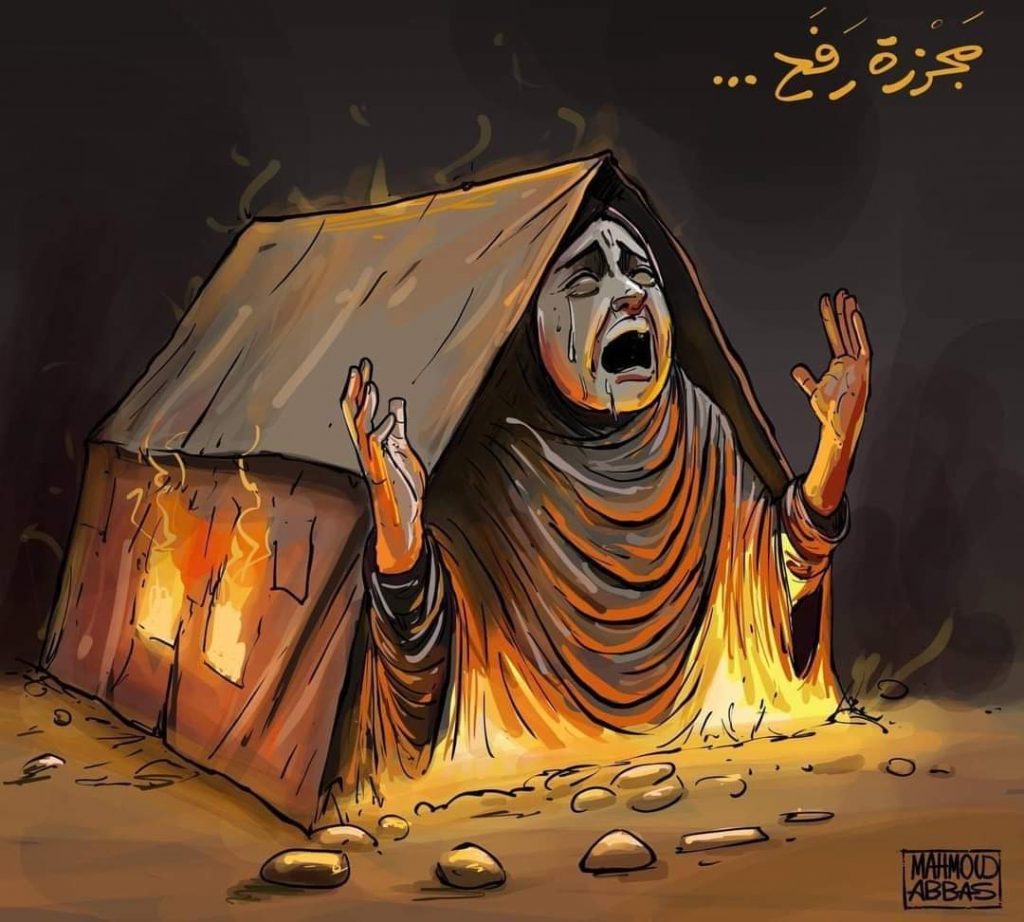
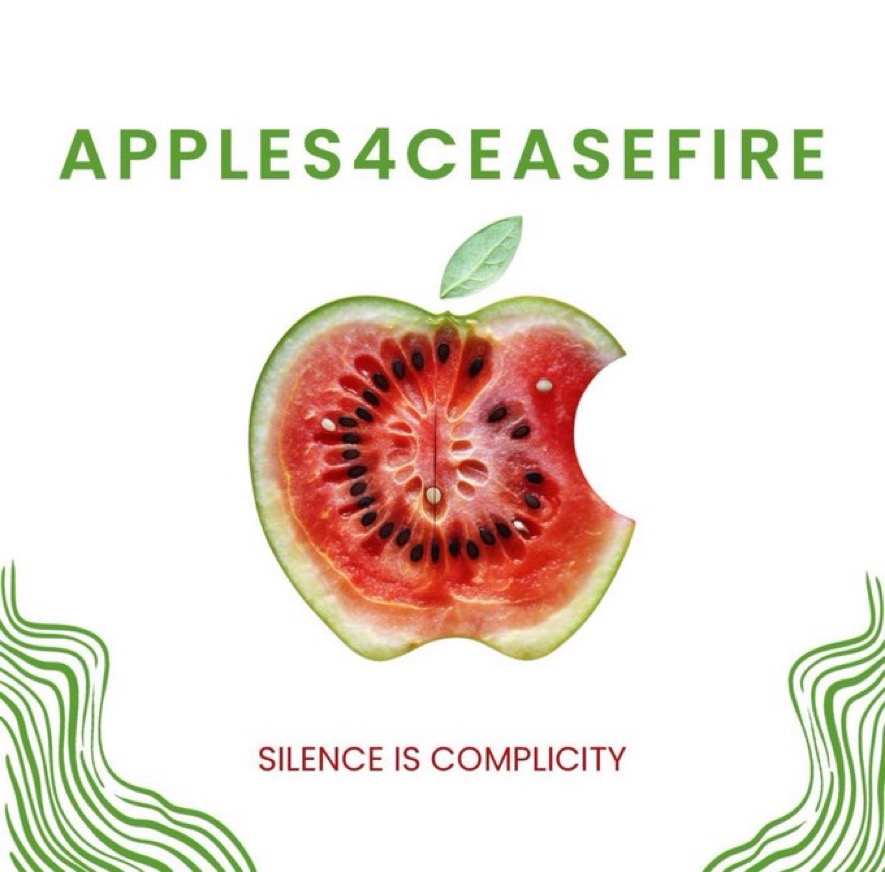
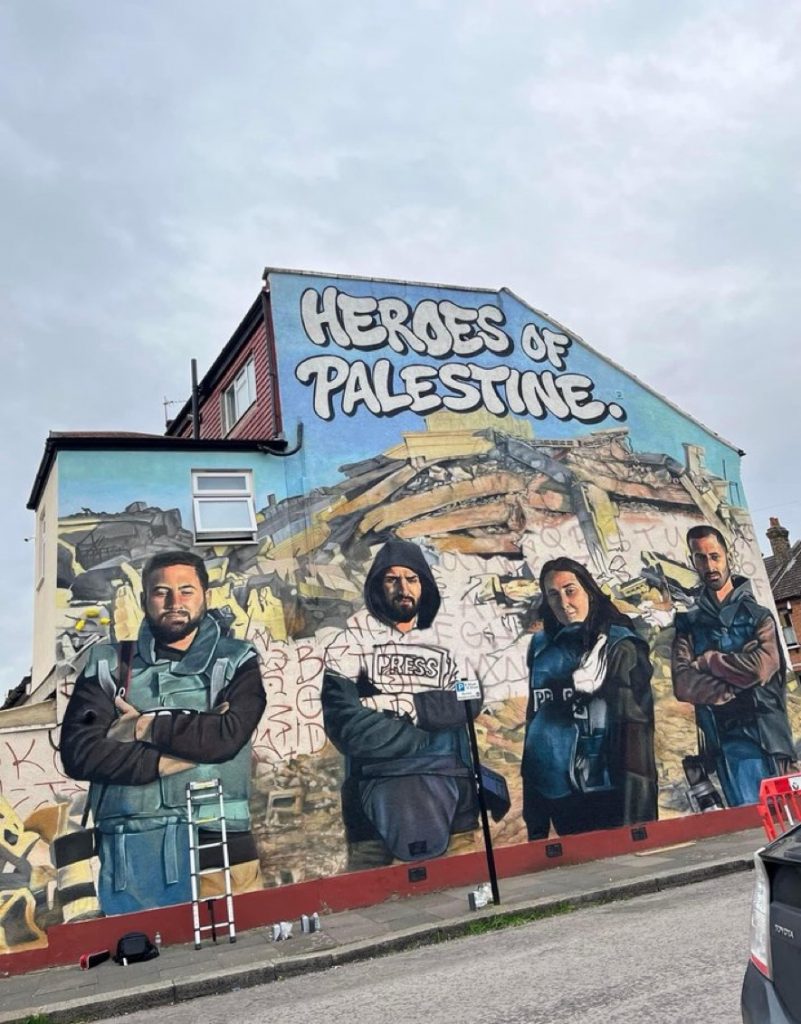
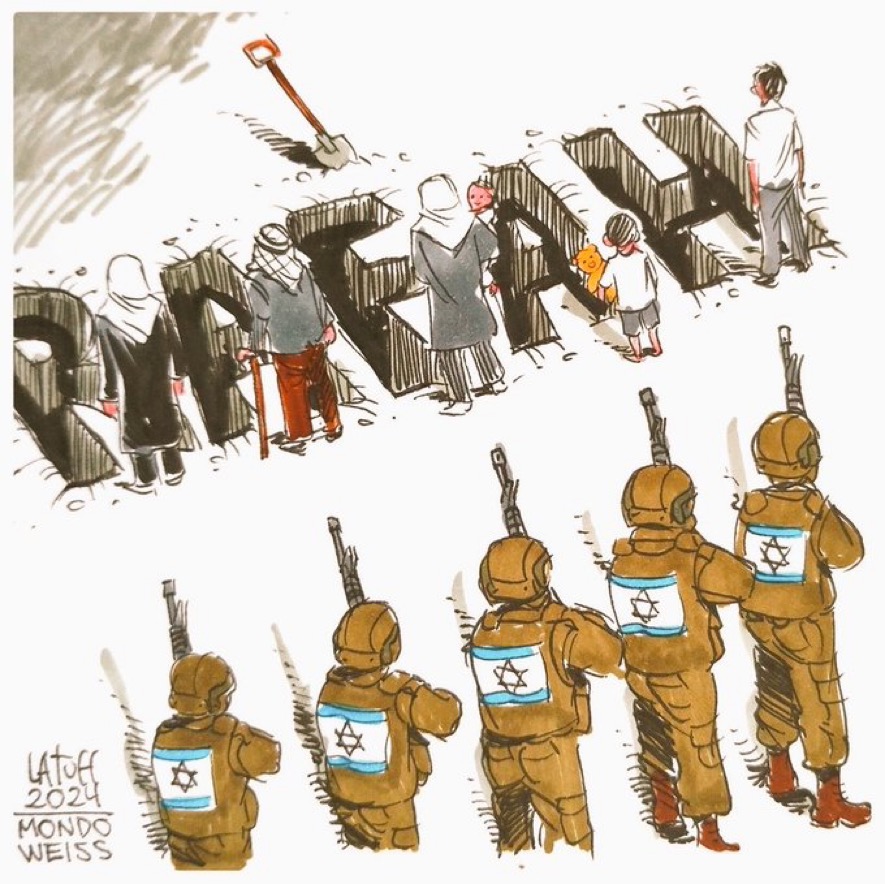
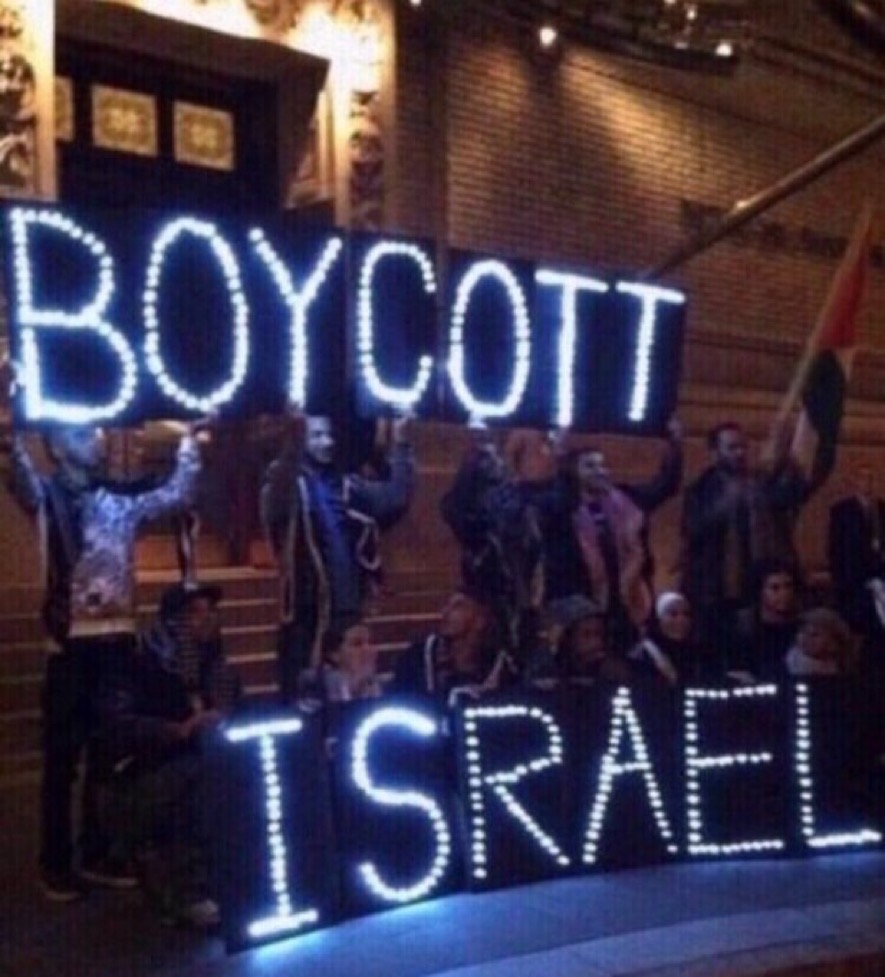
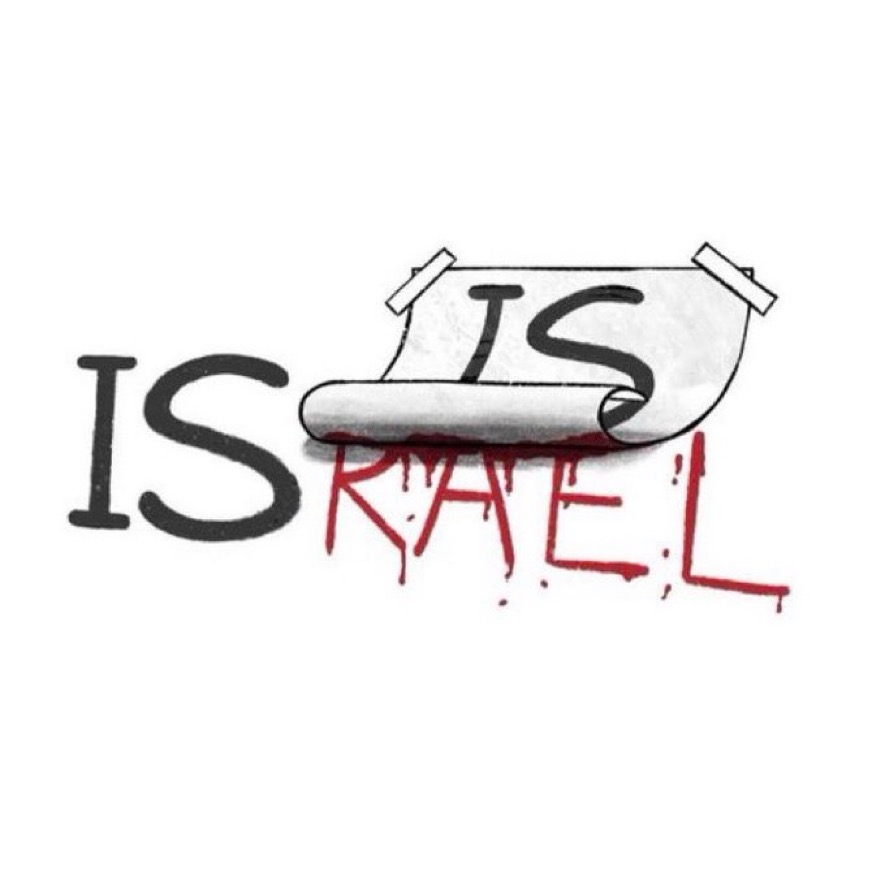
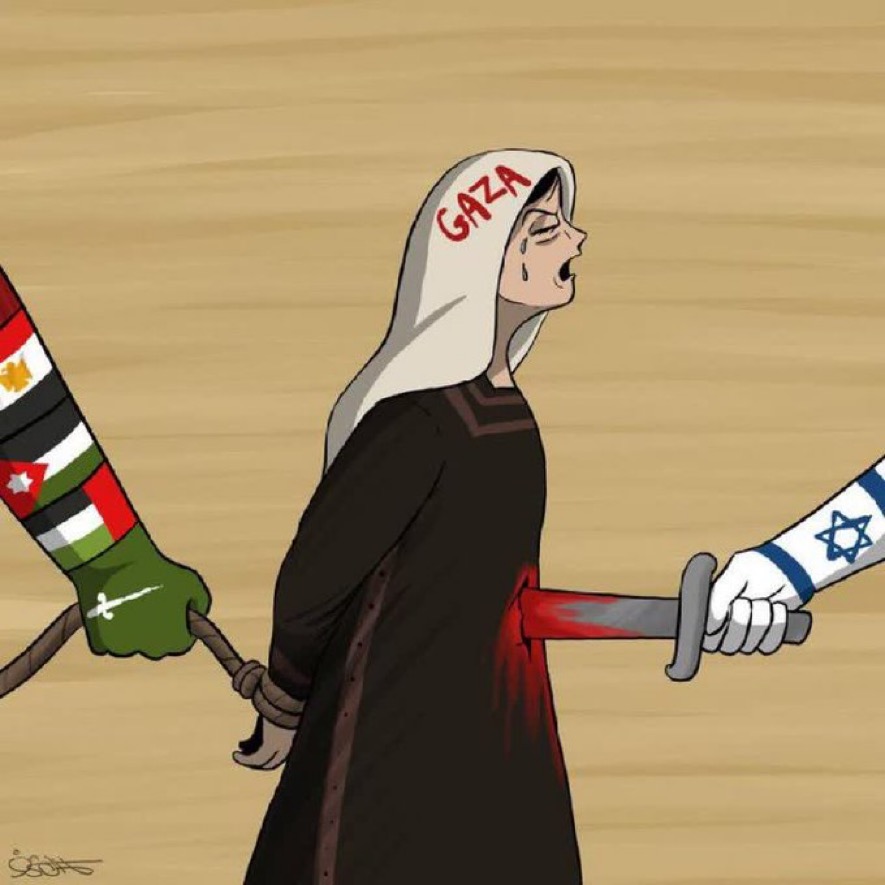
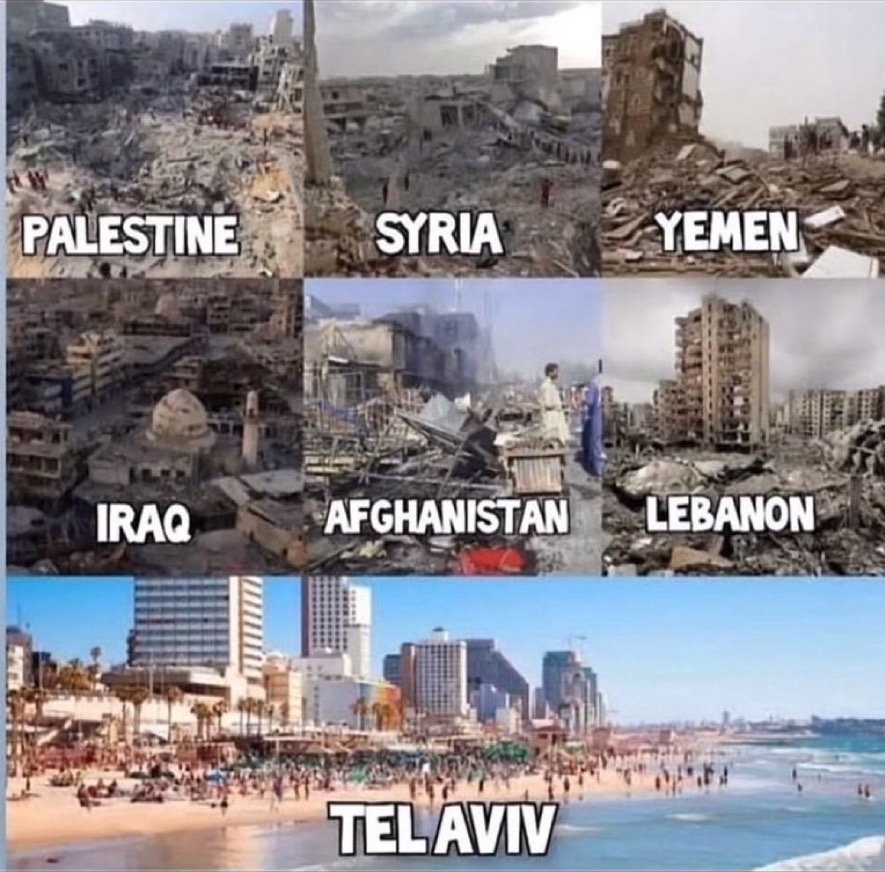
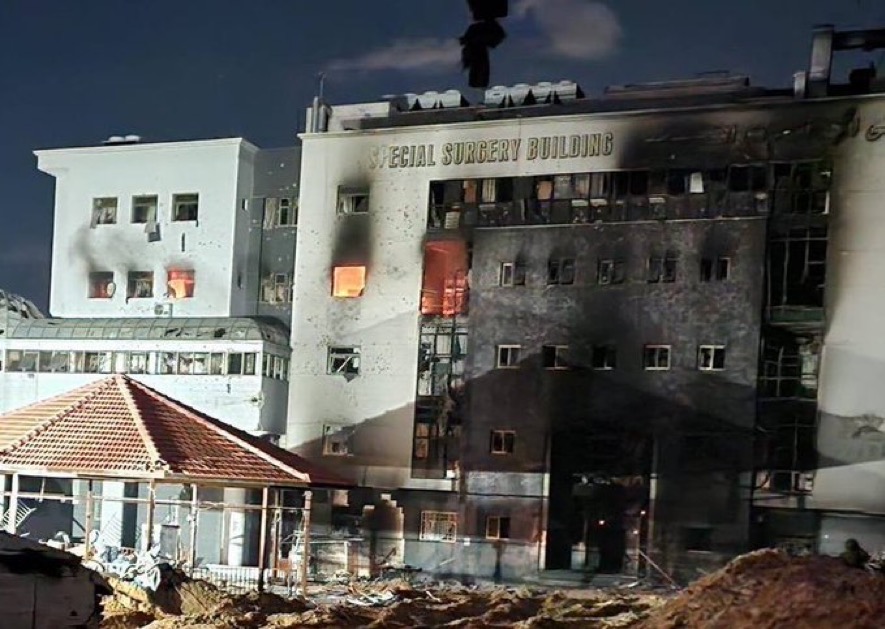
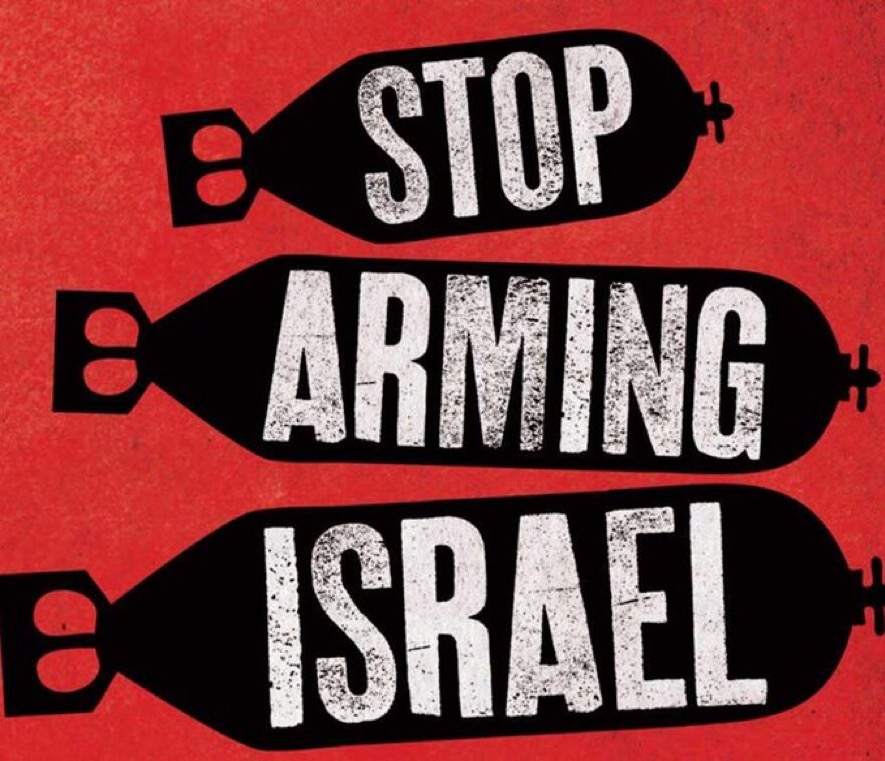
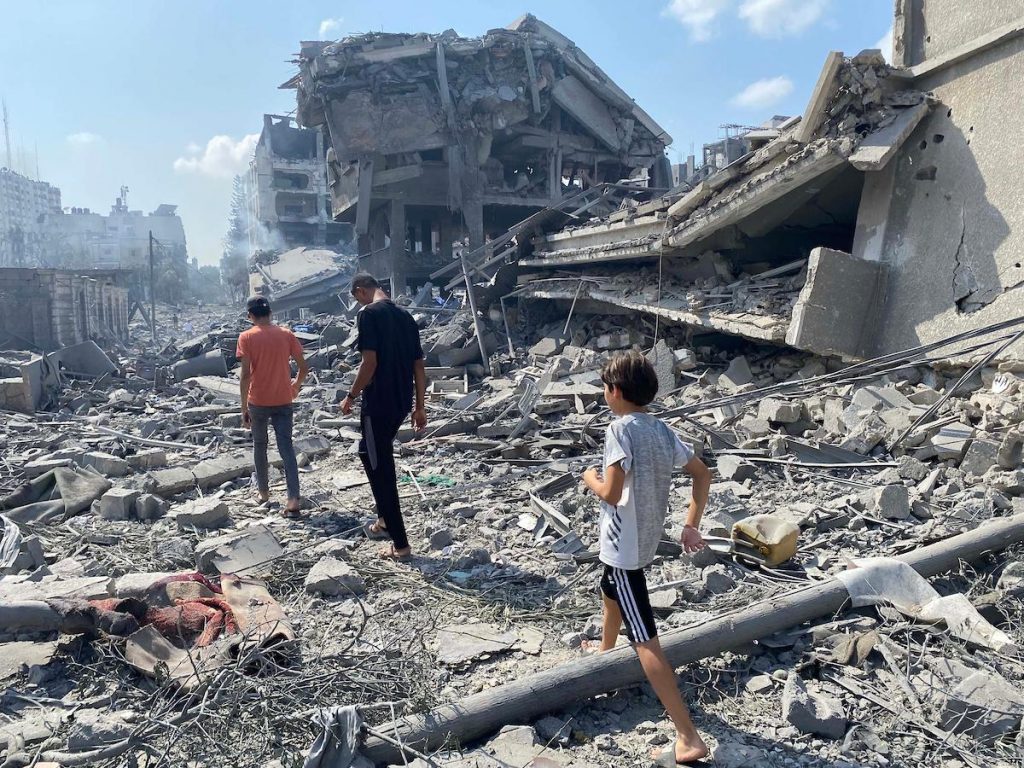
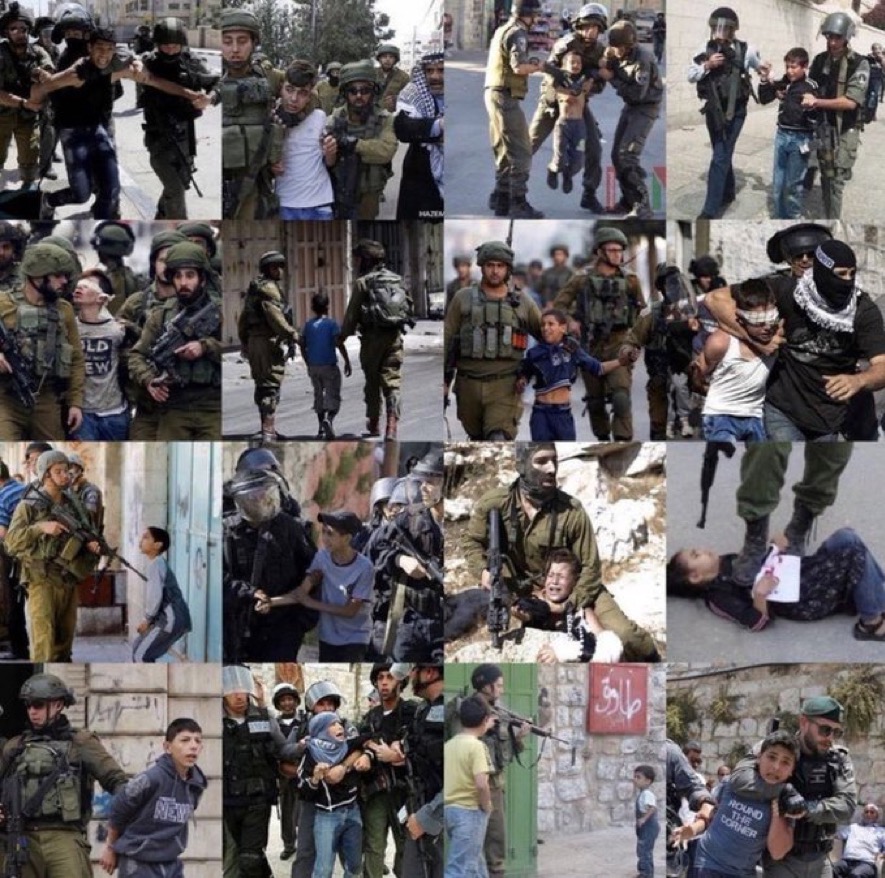
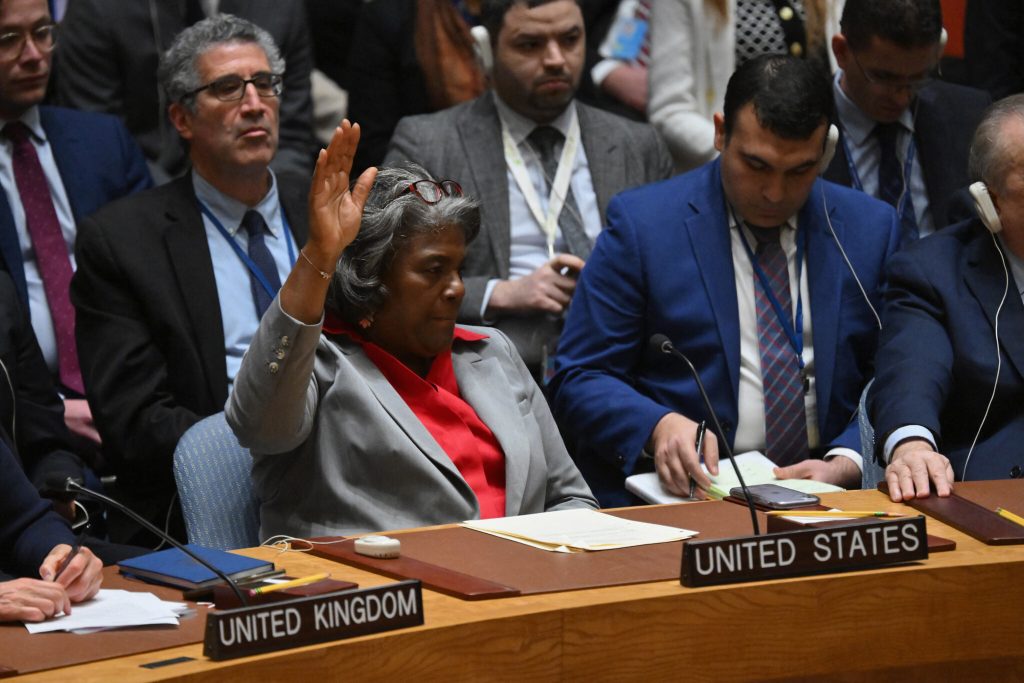
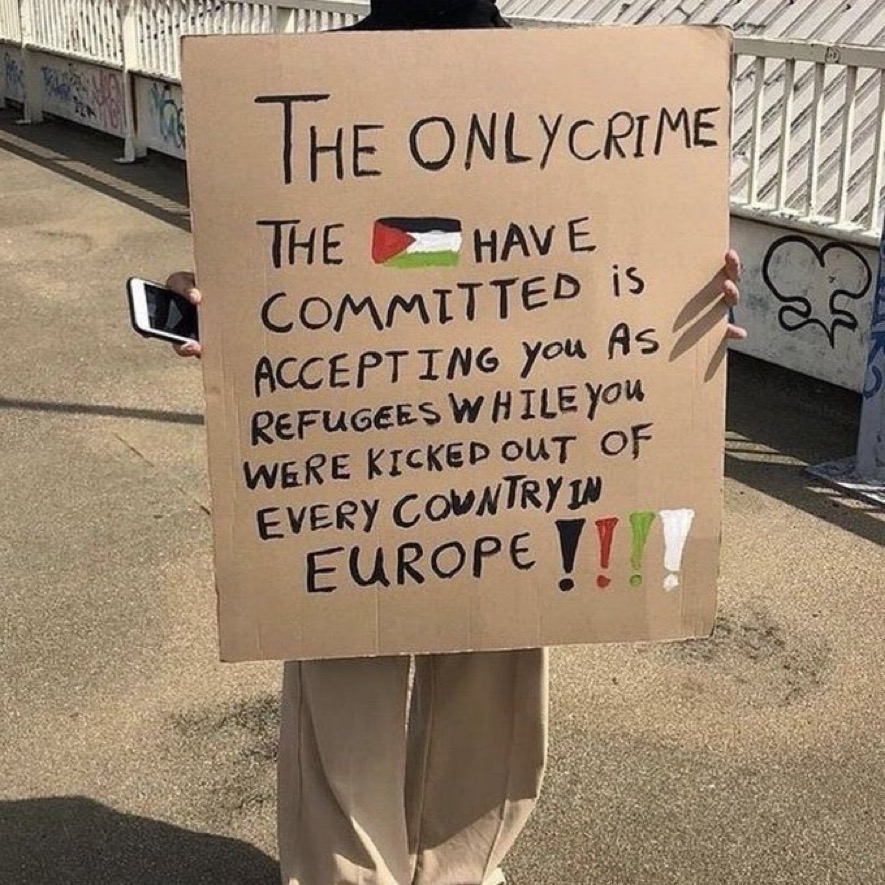
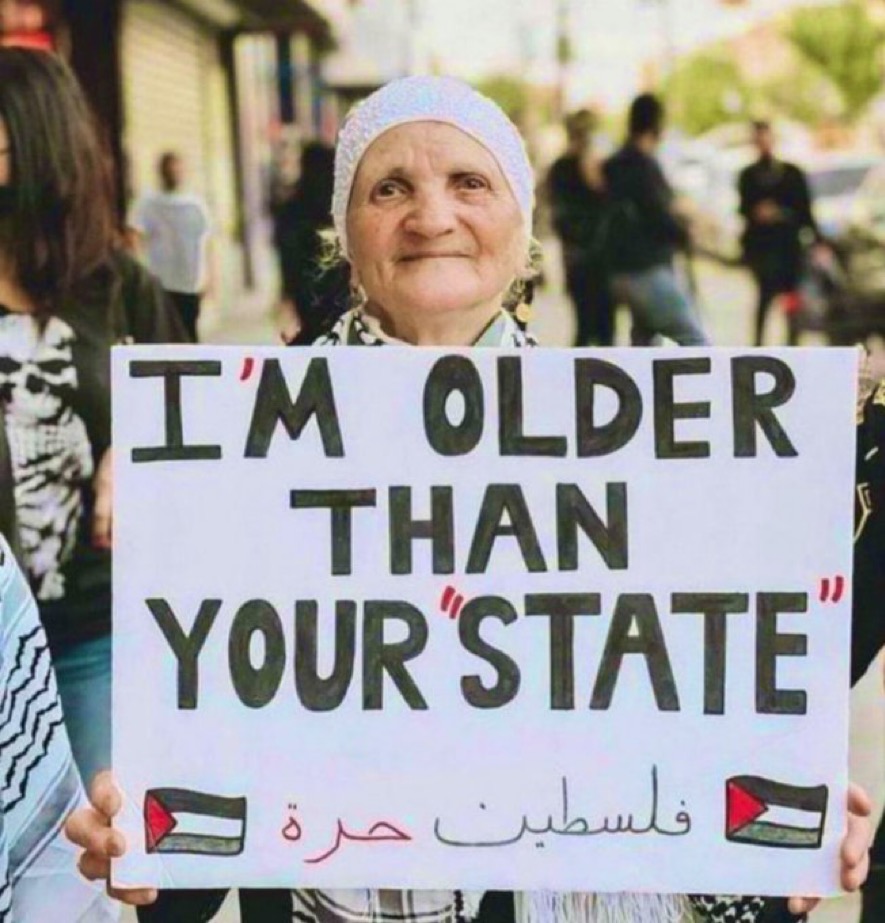
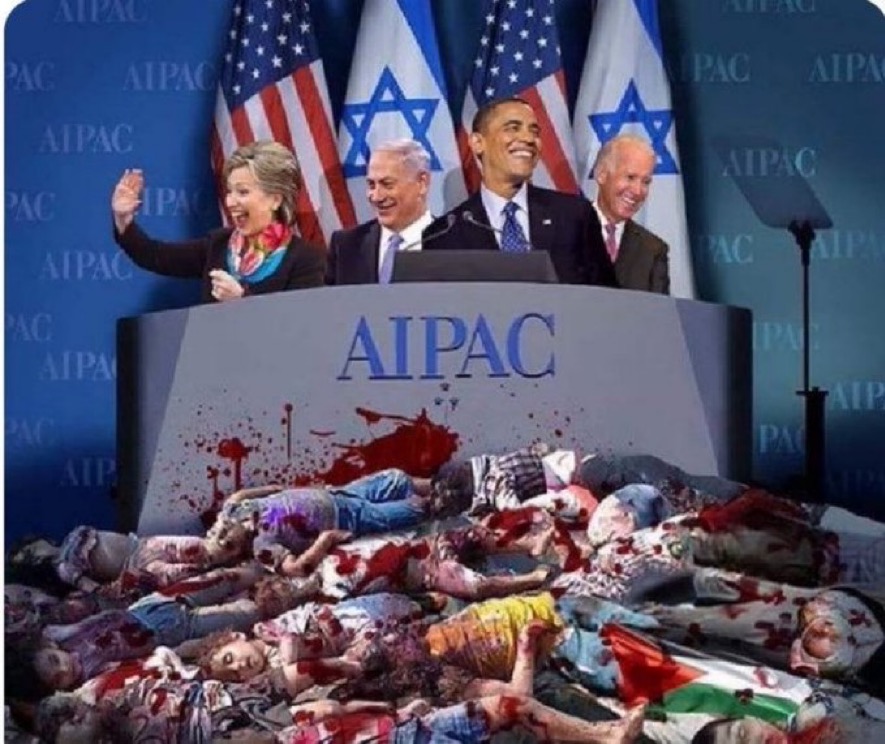
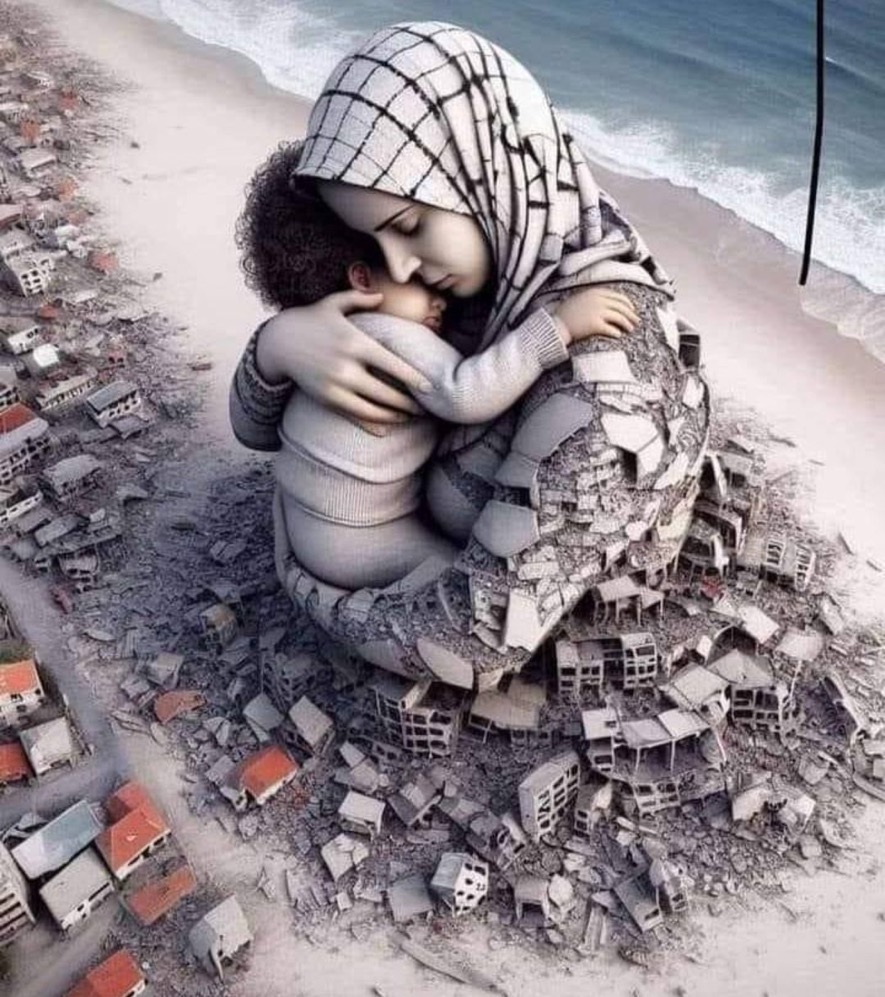
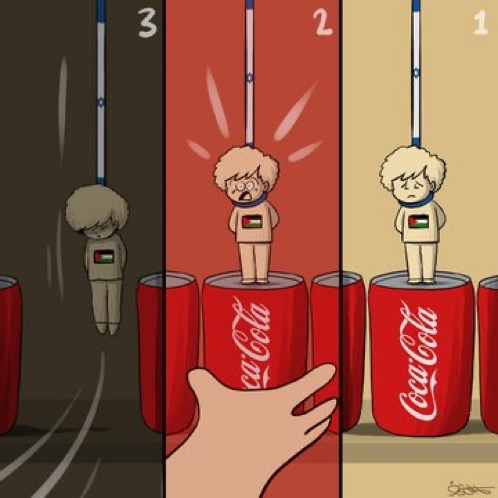
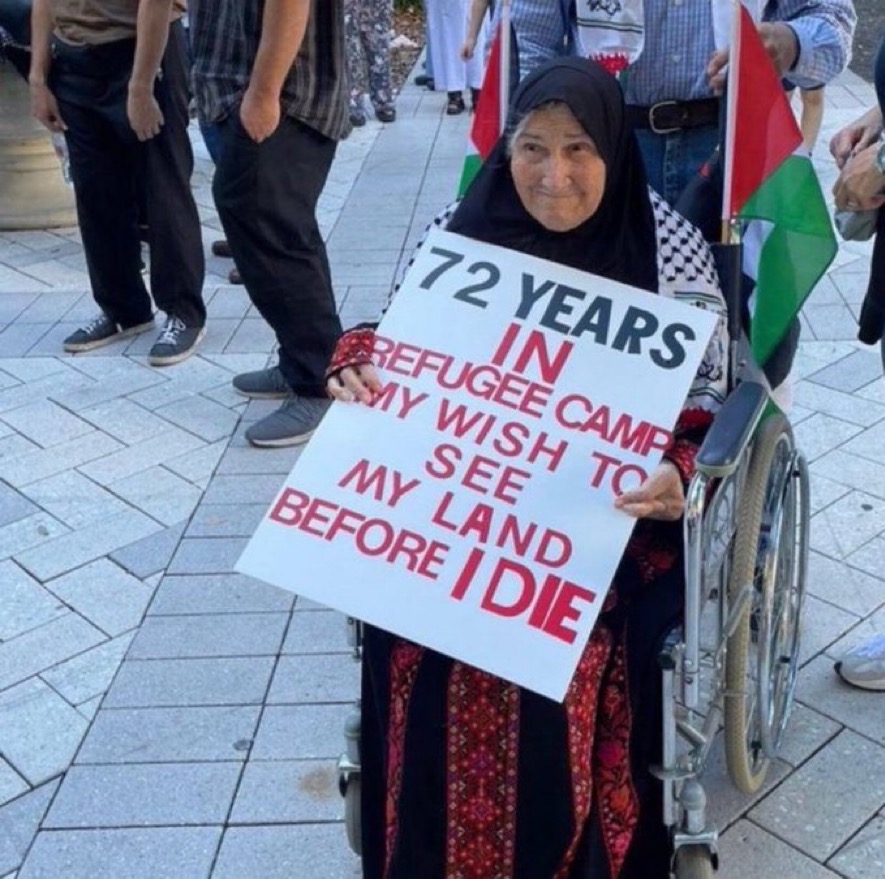
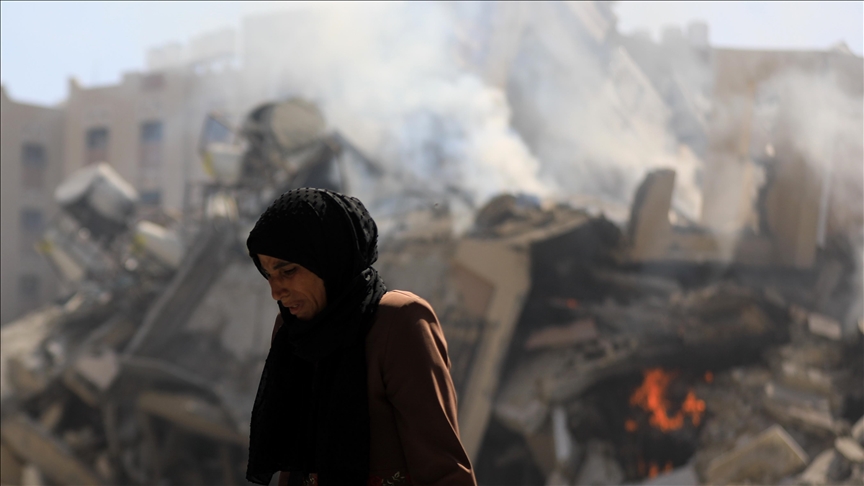
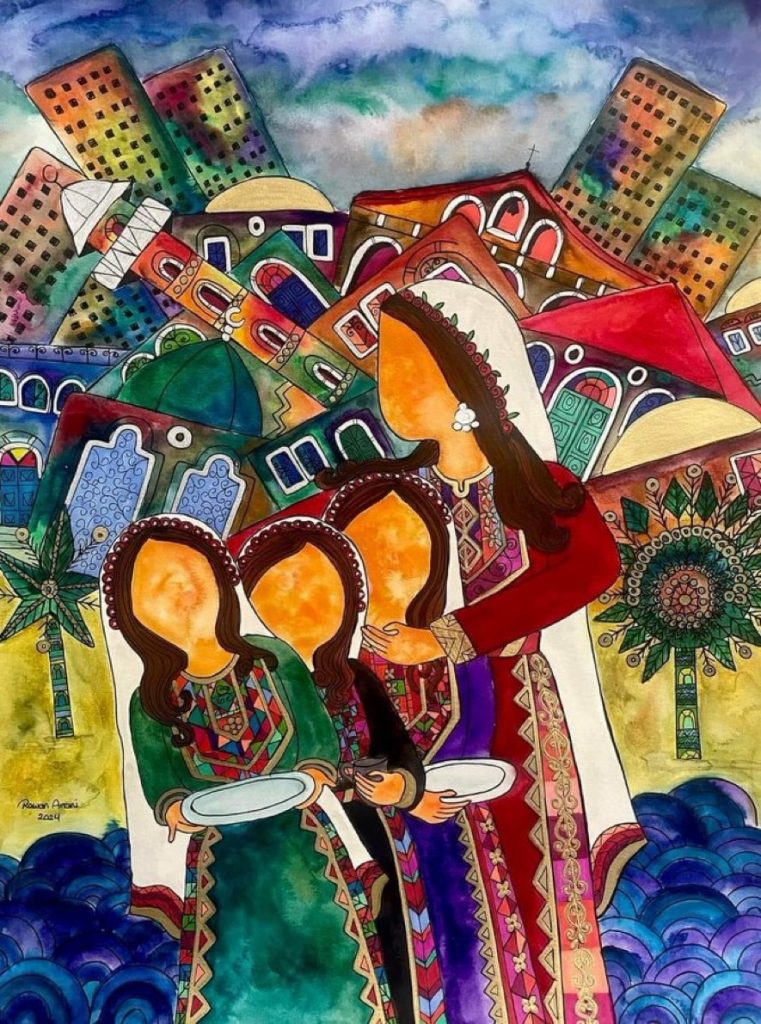
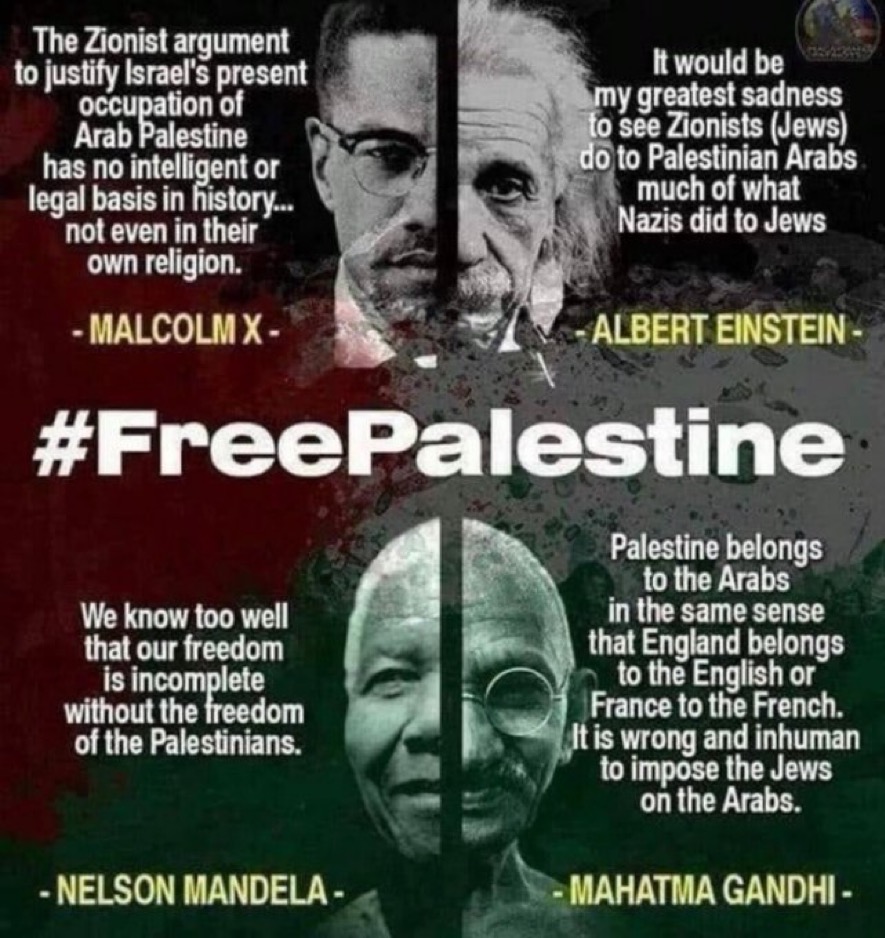
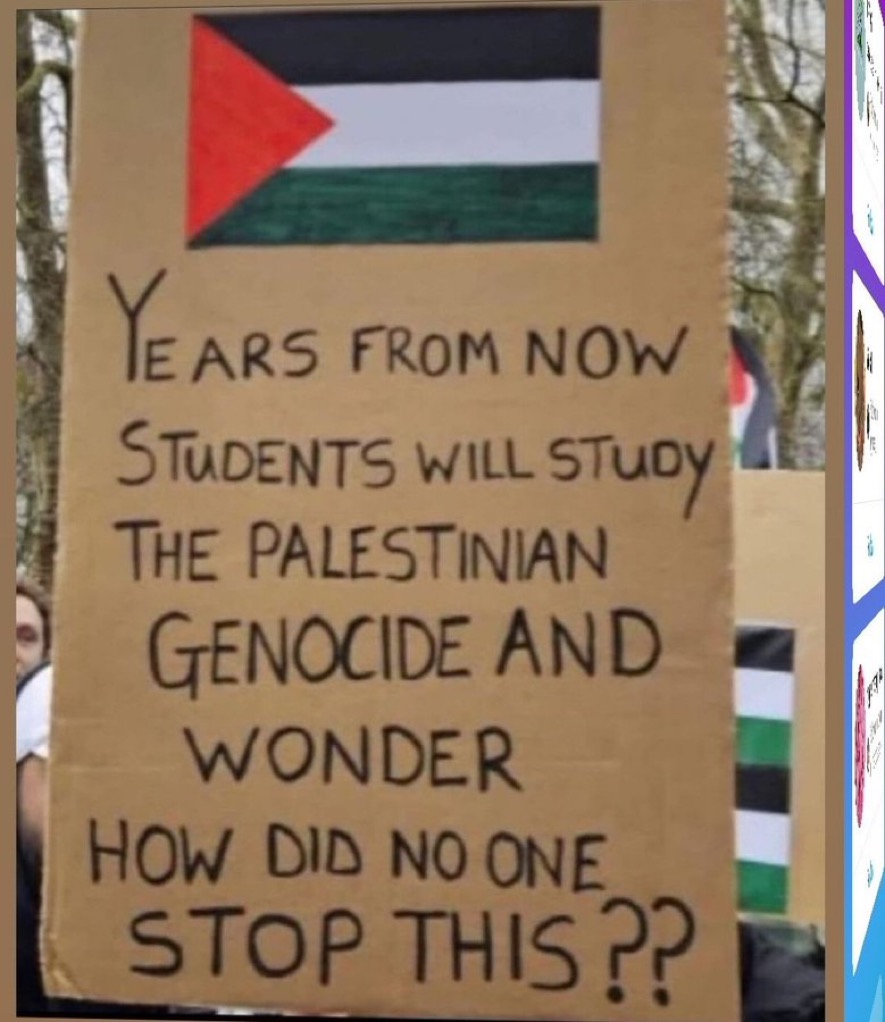
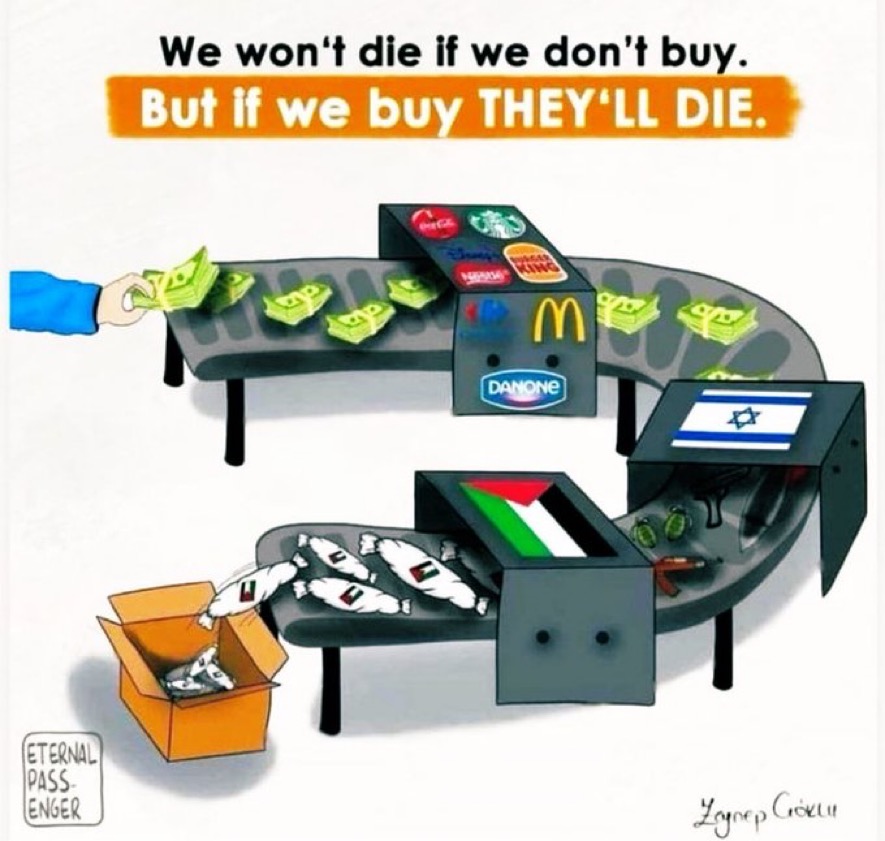
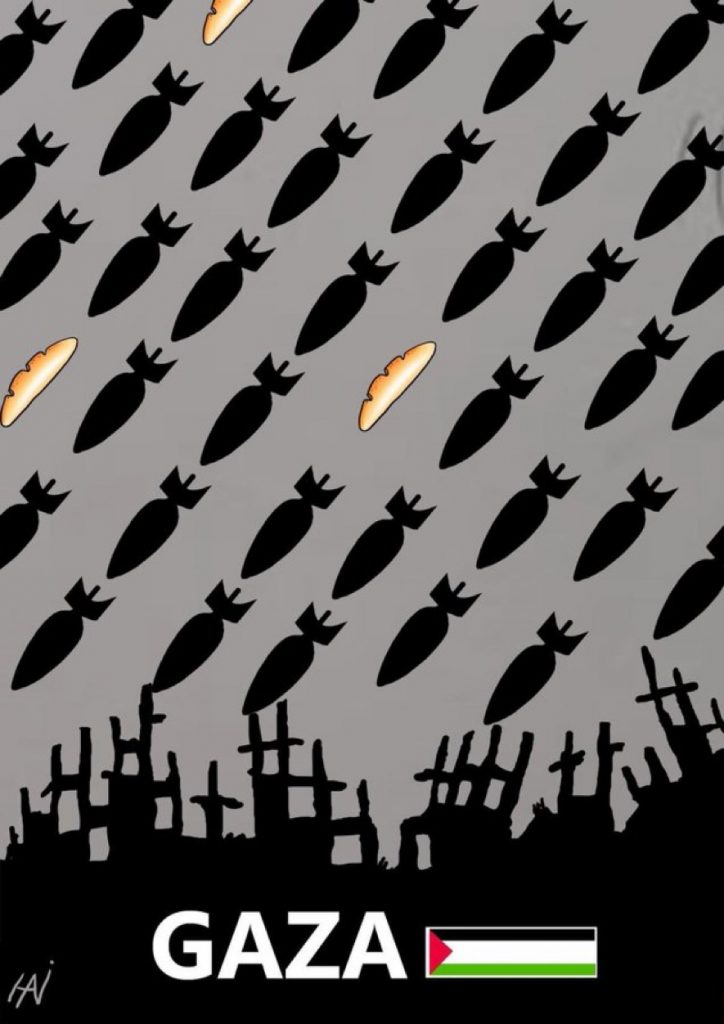
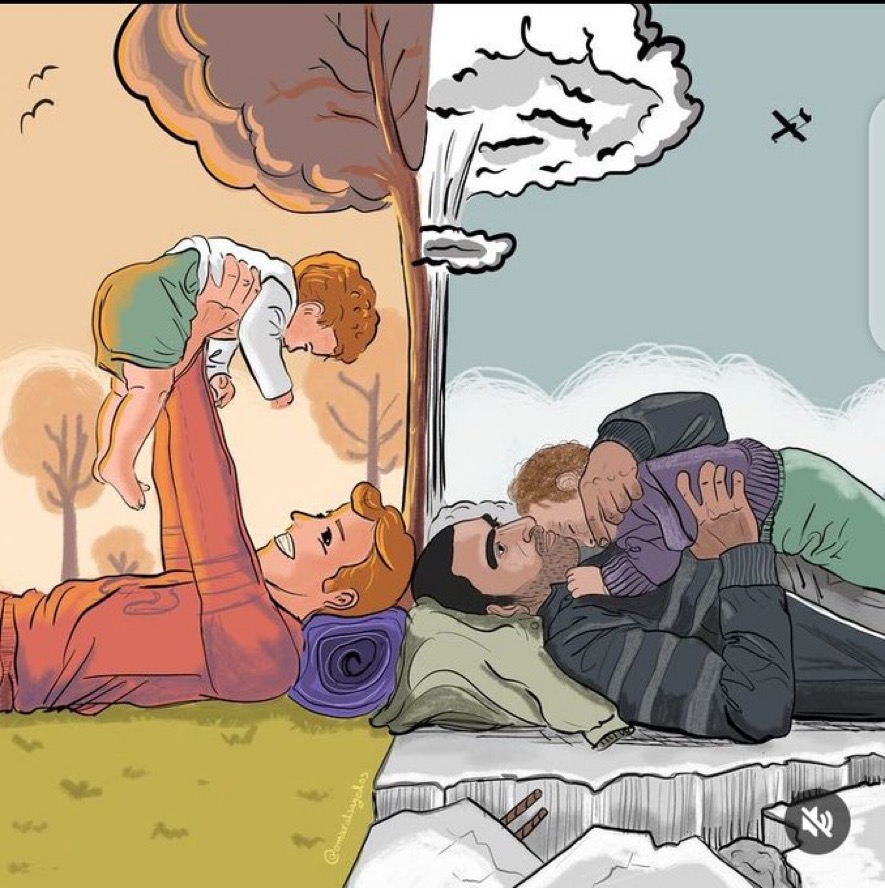
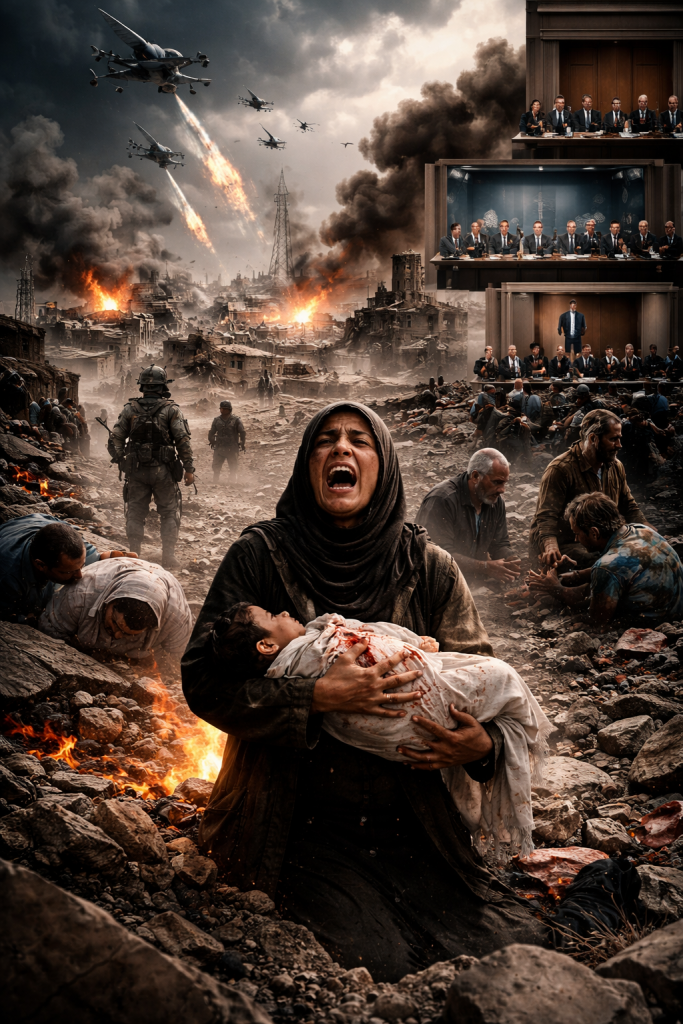
We stand firmly against injustice in all its forms. Nothing can justify the current war crimes committed by Israel in occupied Palestine. Equally, nothing can excuse the continued support offered by other nations to this apartheid regime. If you believe in human rights, dignity, and justice, then we urge you to boycott this rogue state. Silence is complicity, do what’s right.
I didn't apologize to the well as I passed by it.
I borrowed a cloud from an ancient pine and squeezed it
like an orange. I waited for a mythical white deer.
I instructed my heart in patience: Be neutral, as though
you were not a part of me. Here, good shepherds
stood on air and invented the flute and enticed
mountain partridges into their traps. Here, I saddled
a horse for flight to my personal planets, and flew.
And here, a fortuneteller told me: Beware of asphalt roads
and automobiles, ride on your sigh. Here, I loosened
my shadow and waited. I selected the smallest stone
and stood wakefully by it. I broke apart a myth
and got broken myself. I circled the well until
I flew out of myself to what I'm not. And a voice
from deep in the well spoke to me: This grave
is not yours. And so I apologized. I read verses
from the wise Qur'an and said to the anonymous presence
in the well: Peace be with you and the day
you were killed in the land of peace and with the day
you'll rise from the well's darkness
and live…
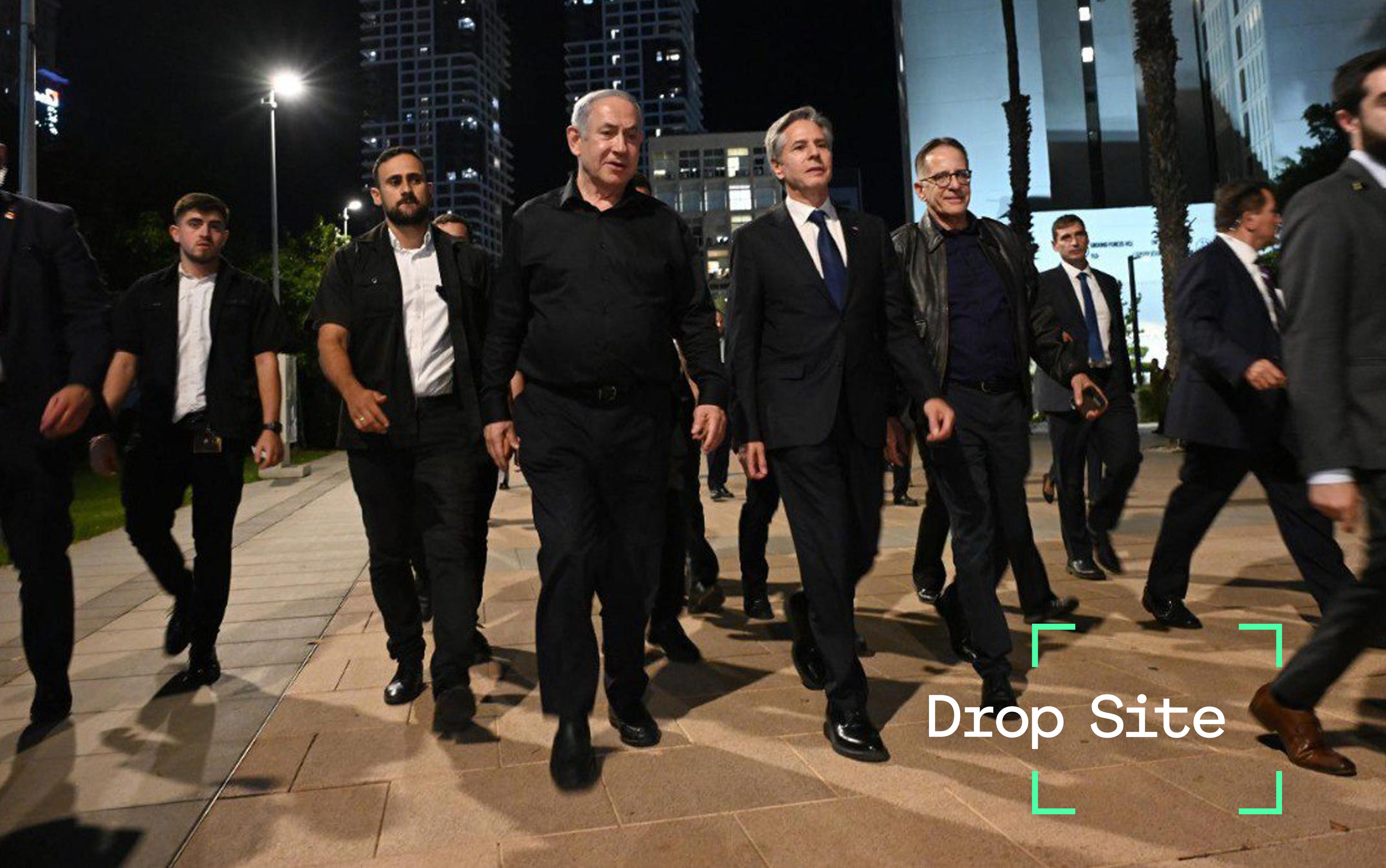
Benjamin Netanyahu and Antony Blinken on their way to a meeting of the Israeli War Cabinet, October 16, 2023. Israeli Government Press Office handout via Getty.
From the very beginning of Israel’s assault on the Gaza Strip, U.S. Secretary of State Antony Blinken had his hands on the steering wheel. After October 7, Blinken was the first senior U.S. official to arrive in Israel, on October 11. “I’m going with a very simple and clear message… that the United States has Israel’s back,” Blinken reportedly said before boarding the plane.
He returned again days later. This time, Blinken was there to demand that Israel rethink its decision to bomb any humanitarian aid entering Gaza and impose a “total siege” on the Strip. In exchange, U.S. President Joe Biden offered to visit Israel himself. Reportedly, Israeli Prime Minister Benjamin Netanyahu explained to Blinken upon his arrival on October 16, 2023: “I have got people in the cabinet who don’t want an aspirin to get into Gaza because of what’s happened.”
From within the Kirya, the Israeli military’s main headquarters in Tel Aviv, Blinken participated in the frantic discussions of the Israeli War Cabinet—the decision-making forum guiding the genocidal campaign—that were occuring in parallel to conversations in the broader Security Cabinet.
To support our reporting on Gaza, consider becoming a free or paid subscriber.Subscribe
According to Channel 12 reporter Yaron Avraham, on October 16 and 17, “the [Security] Cabinet deliberated for hours over the precise wording of the decision, with each draft being passed between the Cabinet room and Blinken’s room, a distance of a few meters away, inside the Kirya…. Eventually, around 3 a.m., they arrive at an agreed upon text that is read in the Cabinet room in English.”
Avraham’s account of the process was independently corroborated by a reporter for the competing Channel 13, who wrote: “The discussion with Blinken is conducted as follows: he is sitting in a room in the Kirya with his advisors and security team, while Security Cabinet holds the discussion; [Minister of Strategic Affairs Ron] Dermer goes back and forth and interfaces with him.”
Blinken, for his part, concluded the day with a triumphant speech taking responsibility for the restarting of humanitarian aid to Gaza:
To that end, today, and at our request, the United States and Israel have agreed to develop a plan that will enable humanitarian aid from donor nations and multilateral organizations to reach civilians in Gaza – and them alone – including the possibility of creating areas to help keep civilians our of harm’s way. It is critical that aid begin flowing into Gaza as soon as possible.
We share Israel’s concern that Hamas may seize or destroy aid entering Gaza or otherwise preventing it from reaching the people who need it. If Hamas in any way blocks humanitarian assistance from reaching civilians, including by seizing the aid itself, we’ll be the first to condemn it and we will work to prevent it from happening again.
The following day, after an additional round of Cabinet meetings, this time helmed by both Blinken and Biden, an outline of the decision was publicly announced by Prime Minster’s Netanyahu’s office: “We will not allow humanitarian assistance in the form of food and medicines from our territory to the Gaza Strip” and, in a separate Hebrew version, “In light of President Biden’s demand, Israel will not thwart humanitarian supplies from Egypt as long as it is only food, water and medicine for the civilian population located in the southern Gaza Strip or moving there, and as long as these supplies do not reach Hamas. Any supplies that reach Hamas will be thwarted.” The Hebrew word לסכל, “to thwart,” is frequently used by Israel to describe targeted killings and assassinations. The previous policy of “thwarting” all humanitarian supplies from entering Gaza was conveyed to Egypt as an explicit threat to “bomb” aid trucks.
The substance of the Blinken-approved policy was starkly conveyed by Security Cabinet member Bezalel Smotrich, who later told the Israeli media: “We in the cabinet were promised at the outset that there would be monitoring, and that aid trucks hijacked by Hamas and its organizations [sic] would be bombed from the air, and the aid would be halted.”
State Department spokesperson Vedant Patel told Drop Site News: “The suggestion that anyone at the State Department signed off in any way on attacks on humanitarian workers or convoys is absurd. We have always been clear, including in the immediate aftermath of October 7, that Israel has the right to strike Hamas militants. Secretary Blinken has been equally clear that Israel needs to ensure that humanitarian aid is delivered to Gaza and that humanitarian workers inside Gaza are protected.” The State Department did not clarify whether it approved carrying out airstrikes against Hamas militants (or those indiscriminately classified as militants) who secure aid convoys or seize their contents.
“Minimal Aid Should Be Allowed”
For Smotrich and other Israeli policymakers, the U.S.’s approval of the policy presented an opportunity to realize aspirations they had harbored long before October 7th. Already in 2018, as Palestinians in Gaza resisted the Israeli blockade—jokingly referred to by the Israeli government as “an appointment with a dietician”—through mass protests, Smotrich stated: “As far as I’m concerned, Gaza should be hermetically sealed. We shouldn’t provide them anything. Let them die of hunger, thirst, and malaria. I don’t care, they are not my citizens, I owe them nothing”.
The first part of the humanitarian aid policy approved by Blinken—the barring of entry of aid from within Israeli territory—was short-lived. By December 2023, aid had begun entering directly through Israel, and from the very first moment Israel’s monitoring mechanism, implemented shortly after the meetings on October 16 and 17, required all aid, regardless of origin, to go through checks within Israel before reaching Gaza, resulting in major delays. But the second policy—the “thwarting” of aid shipments within Gaza if they “reach Hamas”—also proved to be an effective tool in Israel’s arsenal when it came to starving the Gazan population.
The Hebrew word לסכל, “to thwart,” is frequently used by Israel to describe targeted killings and assassinations.
As 2023 came to an end, the UN Security Council voted on a resolution to facilitate the entry of aid into Gaza, which had been significantly watered down under U.S. pressure. UN Secretary General António Guterres explained: “Many people are measuring the effectiveness of the humanitarian operation in Gaza based on the number of trucks from the Egyptian Red Crescent, the UN, and our partners that are allowed to unload aid across the border. This is a mistake. The real problem is that the way Israel is conducting this offensive is creating massive obstacles to the distribution of humanitarian aid inside Gaza.”
Aid that had made it through into Gaza without rotting, despite delays caused by the military and by Israeli protesters egged on by the government to block aid trucks, had to then be distributed within Gaza using a handful of trucks Israel allowed to operate in The Strip, running on barely available fuel, driven under fire over destroyed roads filled with unexploded munitions, and delivered without real time communications due to blackouts imposed by the Israeli government. For over a million refugees confined to the south of The Strip, whatever food they had received had to then be stored in tents, using increasingly scarce containers. Meanwhile, the domestic food production capacity of Gaza has been decimated through the deliberate and gleefuldestruction of agriculture by the IDF and bakeries.
Guterres’s remarks were quoted in the application made by the South African government to the International Court of Justice one week later, alongside comments from a senior official from UNRWA, which has coordinated most of the humanitarian efforts in Gaza, characterizing the resolution as “a greenlight for continued genocide.”
On January 26, a panel of 17 judges found “a real and imminent risk” to the rights of Palestinians under the Genocide Convention. On the very same day, the U.S. cut fundingfor UNRWA after a narrative aggressively promoted by Israel Knesset members that the agency—which employed tens of thousands in the Gaza Strip—was also employing an untold number of members of Hamas and that “terrorists” had been students in UNRWA-run schools.
UNRWA “is a complete cover up for Hamas activities and terrorist activities,” Knesset member Sharren Haskel told the foreign media. “Hamas has taken over this organization.”
Speaking to the Israeli media, Haskel, who has along with the rest of the New Hope party joined the government coalition this week, added, “There are 13,000 UNRWA workers in the Gaza Strip, and they are all Hamas members or their relatives.”
The funding freeze, which has been described at the time as a “temporary pause,” has largely persisted to this day, crippling the agency’s humanitarian efforts. In UNRWA’s stead, Israel cultivated relations with foreign NGOs, most notably World Central Kitchen, who refrained from criticizing Israeli policy or insisting on a ceasefire, and lacked the infrastructure and expertise to make up for the debilitation of UNRWA.
Around the same time, Netanyahu repeatedlyemphasized in public speeches that the amount of aid Israel is allowing into Gaza is “minimal.” Former Brigadier General Effi Eitam, who reportedly became one of Netanyahu’s close confidants and advisors in the wake of October 7th, shed light on the meaning on the meaning of the phrase: “Regarding the humanitarian aid, minimal aid should be allowed, and when I say minimal this means—not to shy away from a humanitarian crisis in Gaza. There are no innocents in Gaza.”
On February 6th 2024, Security Cabinet member Gidon Sa’ar, head of the right wing New Hope party (which has since left the coalition), criticized the shift in policy. In a Zoom call with party members, Sa’ar declared “I’m currently of the opinion that humanitarian aid to Gaza should be halted immediately, until the formulation of a humanitarian aid [mechanism] which will not be subject to Hamas takeovers, nor the distribution of aid by Hamas to the civilian population.”
This policy, Sa’ar said, was already anchored in “a [Security] Cabinet decision that was made at the beginning of the war, which stated that the humanitarian supply from Egypt will be allowed as long as this supply did not reach Hamas, and that the supply that does reach Hamas will be thwarted.” According to him, the policy was endorsed by “The United States of America … in the talks that took place in the middle of October, including the talks with Secretary of State Blinken, who was visiting [Israel] and took part in discussions, mainly with the War Cabinet, on the subject of humanitarian aid.”
“Right now,” he said, “on the eve of another visit of the American Secretary of State in Israel, we must revive this idea, so as not to undermine the aim I mentioned earlier, which is one of the war aims, which is the destruction of Hamas’s governmental capabilities.”Subscribe
Aid Attacks
As Sa’ar was speaking, Israeli policy was already shifting. On February 5th, the Israeli military shelled an UNRWA aid truck, leading the agency and the World Food Program to halt aid missions for weeks. The IDF spokesperson told the media the incident was “under review” and refused to provide additional details. One day later, however, Israeli outlet i24NEWS reported, based on unnamed “security sources” that the IDF had targeted “stolen Gaza aid trucks that Hamas uses as transportation for ammunition.”
That same day an Israeli airstrike targeted a police car which provided security escort to a flour truck, “ripping the passengers to pieces” according to witnesses. Leaflets bearing the picture of the destroyed vehicle were later dropped by the Israeli military over Gaza, warning: “Our message is clear; the Israeli security services will not allow the security apparatuses of Hamas to continue working.”
“We know that this can have lifelong detrimental effects on children. Even a short period of malnutrition, let alone one that lasts a year.”
By February 9th, UNRWA’s director, Philippe Lazzarini, told the press that the Israeli military had assassinated eight Palestinian police officers who were providing escorts to humanitarian aid convoys. A few days later, then-U.S. State Department special envoy for Middle East humanitarian issues David Satterfield cited the targeting of Hamas’s aid truck security escorts by the Israeli military as a major obstacle for the delivery of aid: “With the departure of police escorts, it has been virtually impossible for the UN or anyone else, Jordan, the UAE, or any other implementer to safely move assistance in Gaza.”
On March 28, the International Court of Justice noted “unprecedented levels of food insecurity experienced by Palestinians in the Gaza Strip over recent weeks,” and ordered Israel to “take all necessary and effective measures to ensure, without delay… the unhindered provision… of urgently needed basic services and humanitarian assistance, including food, water, electricity, fuel, shelter, clothing, hygiene and sanitation requirements, as well as medical supplies and medical care.”
Less than 24 hours later, Israel reportedlytargeted and killed several local policemen who were securing aid deliveries in two separate attacks, along with some of their family members and unrelated bystander. And on the next day, the Israeli military killed 12 people, among them officials representing tribal committees, who were coordinating aid distribution efforts.
Two days later, Israel’s favored aid provider, World Central Kitchen, fell victim to the same policy: over the course of several minutes an IDF drone pursued a 7-member WCK team driving along a designated, and, in three different airstrikes several kilometers apart, targeted and killed every single one of them. The vehicles, marked with a WCK logo which the IDF claimed was not visible through the drone’s thermal camera, were driving along a preapproved route, escorting an aid convoy on a mission coordinated with the Israeli military.
World Central Kitchen subsequently decided to halt their aid operations in Gaza, though they later resumed it.
The Israeli military ended up putting the blame on Colonel Nochi Mendel, who ordered the strike, and has previously expressed support for halting aid provision to Gaza. Mendel’s punishment amounted to being let go from his military service, and going back to his prestigious day job as director of the Settlement Department at the Israeli Ministry of Defense.
But the right wing Makor Rishon newspaper concluded, on the basis of conversations with drone operators involved in the assassination of the aid workers, that Mendel was only implementing the official policy jointly set by Blinken and the Israeli cabinet back in October: “The mission order made it clear that the IDF is instructed to thwart an attempt by Hamas terrorists to take over the aid trucks that entered Gaza. The IDF received this instruction from the Security Cabinet at the beginning of the war, sometime around October 18, 2023, following heavy pressure from the United States.”
Concerns raised by the drone operators about hitting aid workers were dismissed by their commanders, who insisted on strict adherence to the order, “no matter what.”
U.S. Secretary of State Antony Blinken reacted to the killing of the WCK aid workers by stating: “Humanitarian workers are heroes. They show the best of what humanity has to offer. I extend my deepest condolences to those who lost their lives in the strike on WCK in Gaza. There must be a swift, thorough, and impartial investigation into this incident.”
But follow-ups by U.S. press in the next few months revealed the State Department was happy to have the investigation conducted by the president and CEO of one of Israel’s largest arms manufacturers. The ultimate culprit for the killings—the policy that Blinken had brokered—was not amended.
In his statement to Drop Site News, Patel, the State Department Spokesperson, claimed: “We have intervened directly with the Israeli government on multiple occasions to insist they improve deconfliction mechanisms to avoid harm to humanitarian workers. Strikes on humanitarian workers are unacceptable, and Israel has a responsibility to do everything in its power to avoid them.” Patel’s statement did not specify whether the U.S. has insisted Israel abandon its policy of targeting the Palestinian civil police or armed escorts of aid, nor reiterated their previously reported “concern” over the policy.
On August 29th, the Israeli military assassinated four Palestinian aid delivery workers who accompanied a convoy organized by the U.S.-based NGO Anera. Again, the Israeli government cited the operational policy of targeting armed forces who assume control of the aid as justification for the strike.
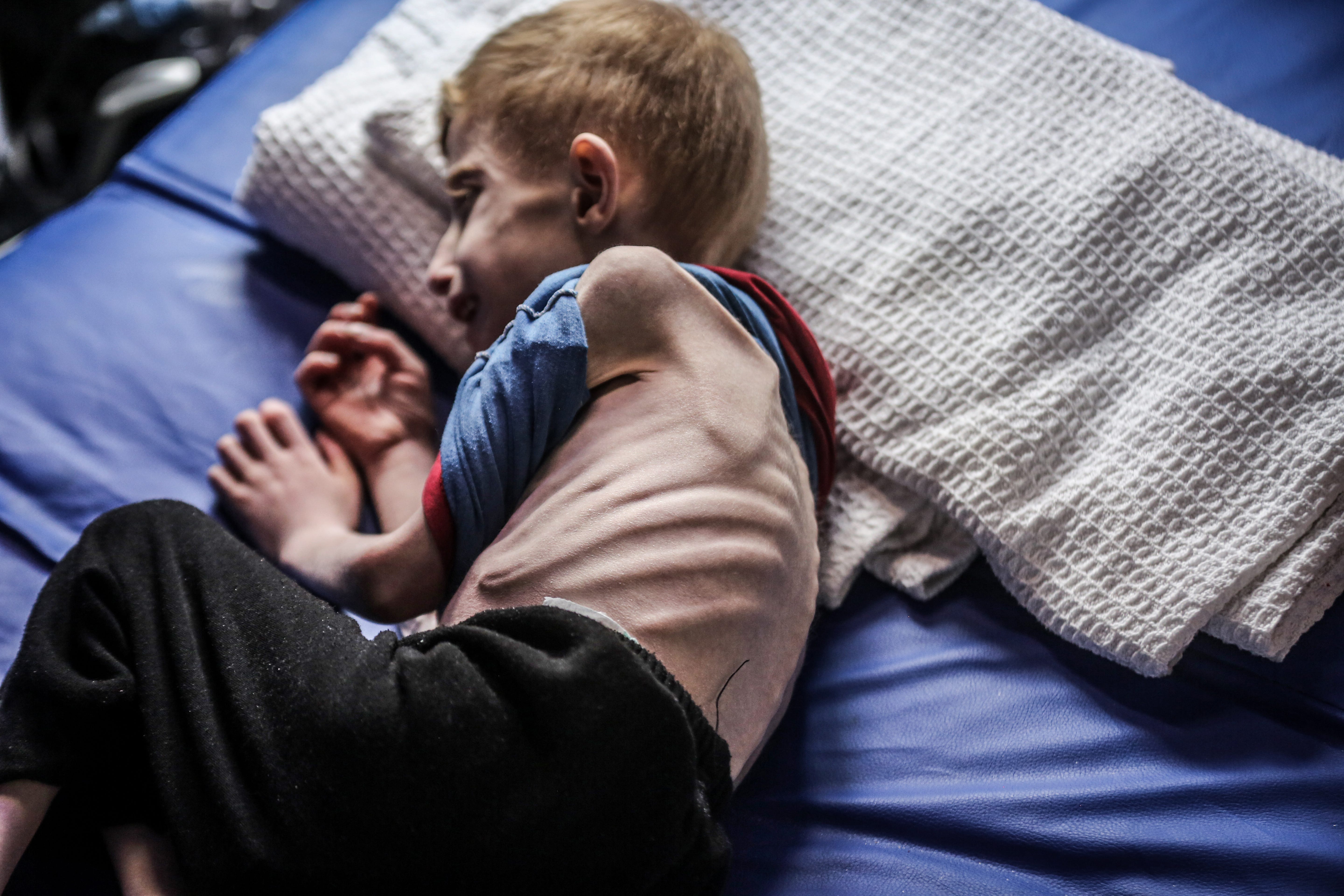
Fadi Zant, aged 9, experiencing malnutrition, received treatment after being evacuated from the northern Gaza Strip to Rafah, on March 24, 2024. Zant, who has cystic fibrosis, reportedly lost half of his body weight. He and his family were evacuated to Egypt and then to the U.S. Photo by Ali Jadallah/Anadolu via Getty Images.
Devastating Effects
The results of the starvation policies in Gaza are no longer a matter of speculation. A study conducted by scholars from various Gaza universities, all of which have now been destroyed by the Israeli military, found the average Palestinian in the Strip has lost over 10 kilograms (or 22 pounds) in weight since October 7, 2023 and the number of underweight individuals has quadrupled. The Global Nutrition Cluster, which coordinates the activity of various NGOs combating malnutrition, assesses that over 50,000 children under the age of 5 require acute malnutrition treatment services.
“We know that this can have lifelong detrimental effects on children. Even a short period of malnutrition, let alone one that lasts a year,” said Dr. Yara Asi, co-director of the Palestine Program for Health and Human Rights at Harvard University. “Cognitive growth is slowed, so these children will perform worse in schools. They will be less able to participate in the economy. Physically stunted growth, which is when children do not grow at the normal pace, cannot be reversed.”
“Their bodies will be permanently stunted as a result of the malnutrition they experienced as children,” Asi continued. “There’s likely other effects that we just have not been able to study. You’ll find little surveys done from contexts around the world that look at this in the long term, but they almost all say we simply don’t know enough to know how these children are going to grow up.”
As the U.S. was busy formulating the policies that brought about this outcome, it has simultaneously sought to help Israel construct a narrative that would help it carry on starving the population of Gaza unimpeded. “The images [seen] in America are brutal. There are enemies of Israel that are actively telling the story in a very negative way, and there are a lot of things that can be pointed to if that’s the view you’re taking,” U.S. ambassador to Israel, Jack Lew, told a crowd of Israeli academics in July. “Israel needs to tell the story that it is making sure that people are getting what they need for there not to be a famine.”
The State Department, meanwhile, continuously offered lip service to the suffering of Palestinians. When asked about the U.S.’s responsibility for the spread of starvation in Gaza, State Department spokesperson Matthew Miller responded: “It is the United States that has secured all of the major agreements to get more humanitarian assistance into Gaza going back to the very early days, the first week after October 7th, when the Secretary traveled to the region and the President traveled to Israel, and together convinced Israel to open Rafah crossing to allow humanitarian assistance in.”
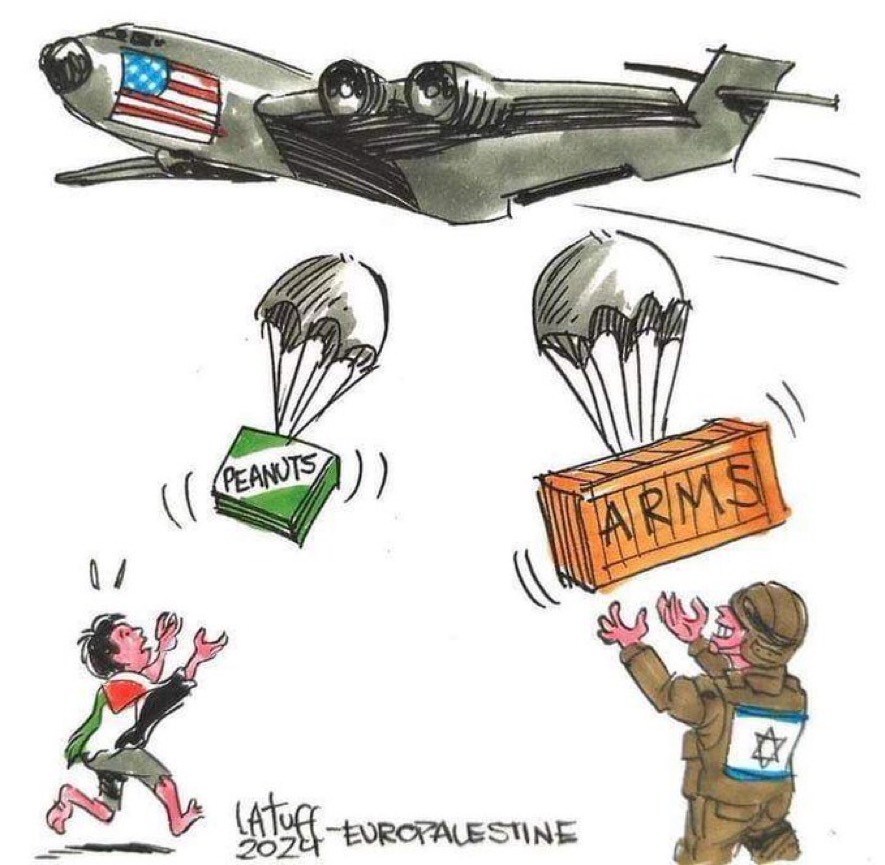
In fact, Blinken and Biden’s visit resulted in the formulation of the Israeli policy of starvation as it stands today. “The United States, including Blinken and others, have legitimized this tactic,” said Asi. “Starvation as a weapon of war is okay as long as we agree with your aims.” That U.S.-approved policy was then implemented using U.S.-manufactured weapons, with the backing of U.S.-imposed sanctions, under the veil of a U.S.-constructed narrative.
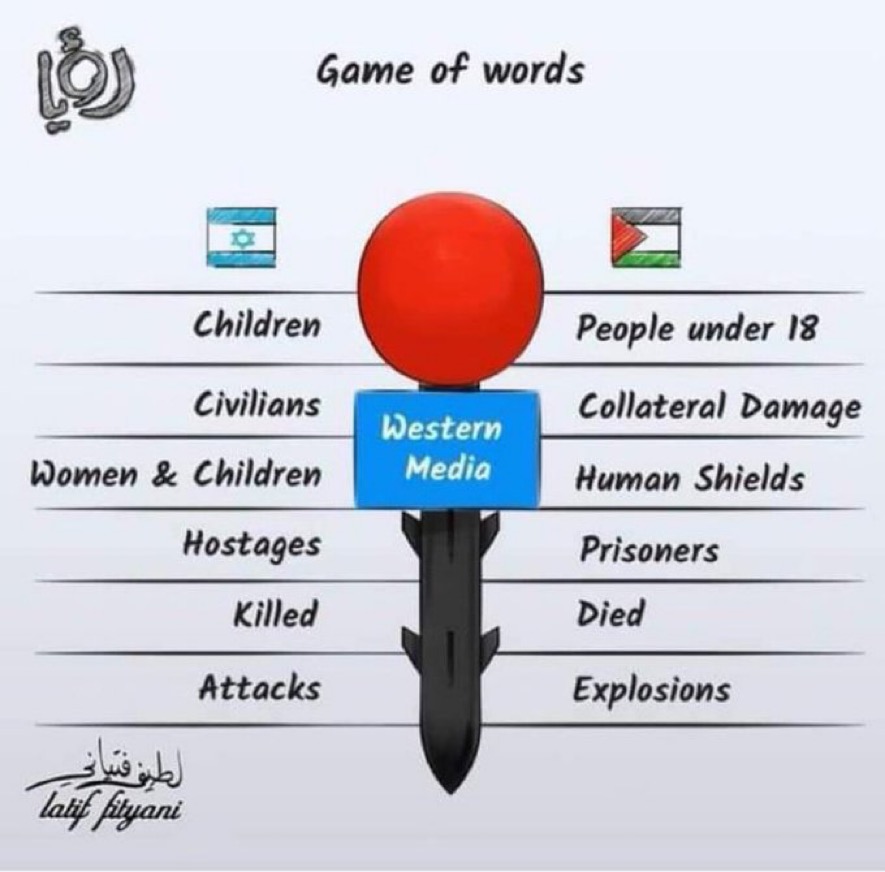
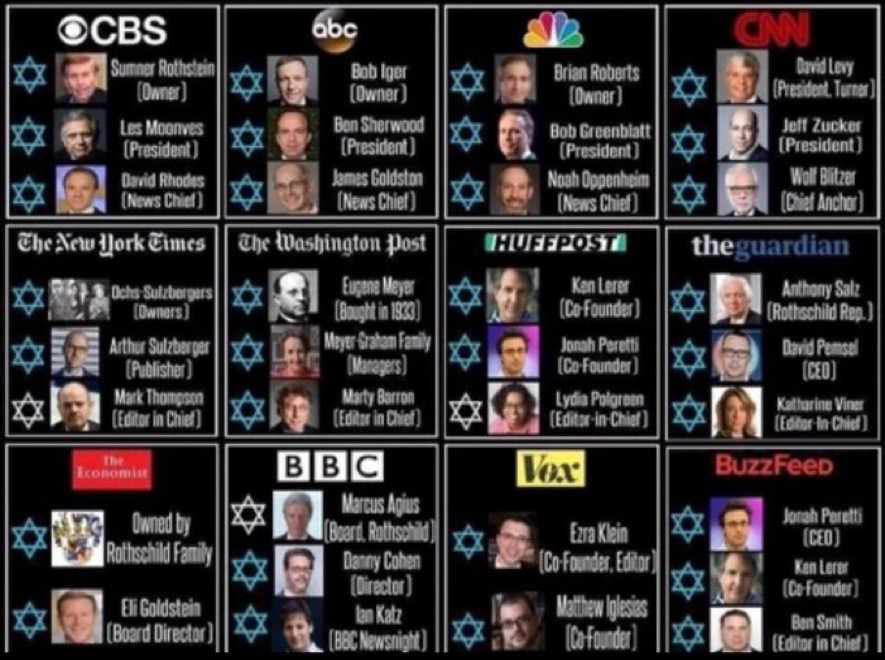
As Israel conducts its latest round of aggression against the Palestinians, the prevailing narrative often peddled in mainstream western media outlets continues to be implicitly framed to favour the Israeli narrative.
Under the guise of neutrality, media discourse has been to describe the conflict flaring up in occupied East Jerusalem as “clashes” between “both sides”. Israel’s ruthless bombardment of Gaza leading to the deaths of hundreds of civilians is rationalised as an act of “self defence” in response to Hamas’ indiscriminate rocket attacks and their use of “human shields”.
The Israeli state is deeply aware that perception shapes reality. While it commits alleged war crimes with impunity, it can only do so if there is a powerful enough propaganda machine it can deploy to counter inevitable public condemnation and international solidarity with Palestinians.
Enter ‘hasbara’ – Israel’s primary messaging tool.
Hasbara – Hebrew for explanation – is a public diplomacy technique which links information warfare with the strategic objectives of the Israeli state. Public diplomacy is to be strategically conceived as a foreign policy priority, whereby a positive image of Israel is cultivated on the world stage, especially considering the image challenges Israel has continuously faced since its creation in 1948.
While rooted in earlier concepts of agitprop and censorship, hasbara does not look to jam the supply of contradictory information to audiences. Instead, it willingly accepts an open marketplace of opinion. What it seeks to do in this context is to promote selective listening by limiting the receptivity of audiences to information, rather than constricting its flow.
To accomplish its mission, hasbara targets diplomats, politicians and the public through mass media. It is also accomplished through numerous institutes and government agencies, as well as in research centres, universities, NGOs and lobbying firms.
Israel even offers hasbara fellowships, scholarships and grants to foster pro-Israeli advocacy, while a number of individuals from journalists to bloggers work to spin a positive image of the country.
Following the 2006 Lebanon war and ‘Operation Cast Lead’ two years later, both of which seriously damaged Israeli’s international reputation, there was a gradual shift between 2008 to 2012, to what the scholar Miriyam Aouragh called “Hasbara 2.0”: an assertive digital diplomacy that accounted for web 2.0 technologies like social media and YouTube.
Soon, hasbara-styled initiatives from the Israeli Defence Forces (IDF) were being synchronised into a new online branch, with a permanent team operating in liaison with the Ministry of Strategic Affairs in 2008.
In 2012, Israel would announce its war against Gaza on Twitter. During ‘Operation Pillar of Defense’, as Israeli-funneled talking points saturated the US and European media landscape, hasbara made heavy use of the more distilled communication channels of social media. It further exploited browser functions, search engine algorithms, and other automated mechanisms that controlled what content were presented to viewers.
In the process, Israel designed a narrative of itself as the innocent victim of Palestinian terrorism, one that was accorded with the sovereign right of defense against existential assault. This, despite the fact of having initiated the escalation, possessing advanced aerial power against an adversary without one, and unloading more than one thousand times as many tons of munitions on Gazans.
In 2014, Israel’s war in Gaza under ‘Operation Protective Edge’ prompted a much greater pushback to its media narrative, clearly underestimating the extent of the global outrage to their actions in Gaza.
As images of destruction and dismembered bodies of innocent civilians flooded social media, hasbara proponents were forced to re-double their efforts in well-orchestrated PR campaigns that attempted to reframe war crimes with talking points to whitewash any disproportionate use of force – which even ended up being ineffective back in Israel.
Desperate measures
In the event this posturing fails, there are a few well-worn strategies in their arsenal that hasbara engineers have resorted to.
One has been to force the public to make a choice between Israel and Hamas. Today, we continually see this dichotomy played out on international broadcast segments; in doing so, Israel is framed as a rational and innocent actor provoked by an irrational terrorist threat, making any criticism of Israel’s actions de facto apologia for terrorism.
While a number of western governments have designated Hamas a terror organisation including the US and the European Union, Norway and Switzerland, they still maintain diplomatic ties with the group. Australia, New Zealand and the UK only consider its military wing a terrorist organisation. A number of other states outside of the West do not label it a terrorist organisation, and the UN in 2018 rejected a US resolution to condemn it as a terror organisation.
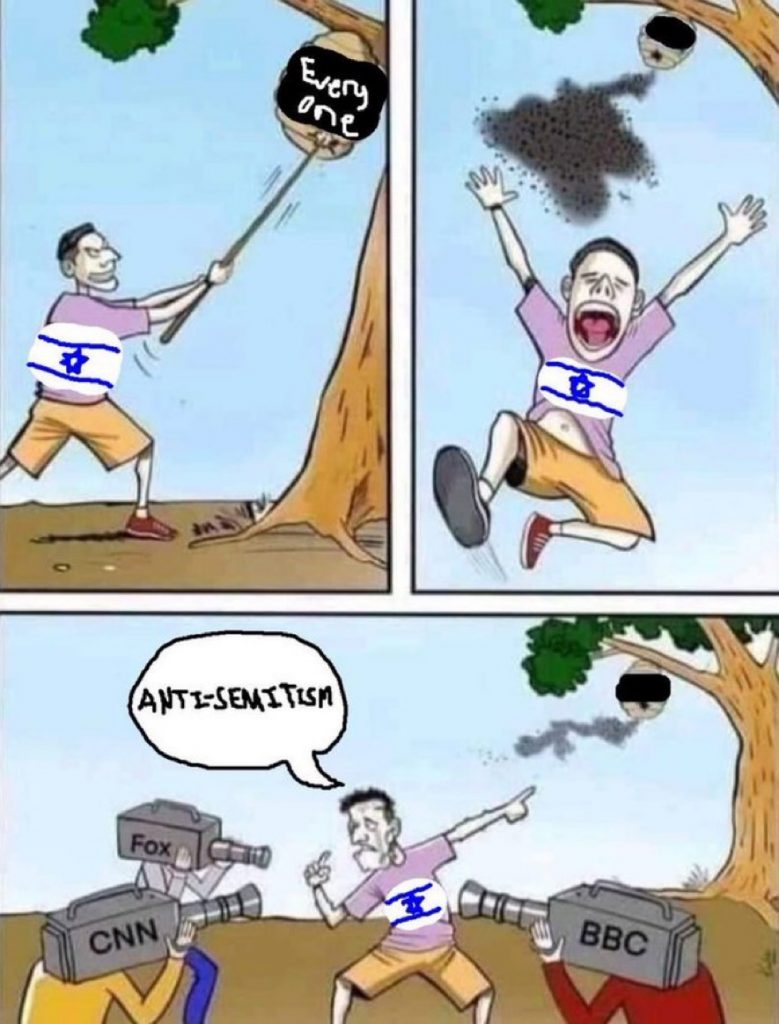
Probably the most common tactic has been to link any criticism of Israeli policies, whether its human rights violations or illegal colonisation of Palestinian land, to anti-Semitism.
One of the strategic threats in recent years has been the growing Boycott, Divestment and Sanctions (BDS) movement. Israeli officials have attempted to smear those who support BDS as anti-Semitic and claim it is linked to terrorism, while anti-BDS laws have been passed in the US.
Online, it has translated into pushing prominent social media companies to adoptthe International Holocaust Remembrance Alliance working definition of anti-Semitism, which widens potential accusation of anti-Semitism to criticism of Israel.
The weaponisation of social justice issues and appropriation of ‘woke’ language is another frequently adopted strategy. For example the narrative of how Israel is the “only democracy” in the Middle East is repeated ad infinitum; indicating its the lone country which respects human rights and the rule of law in an otherwise regressive and hostile region.
“Pinkwashing” – cynically exploiting LGBTQ+ rights to amplify a progressive veneer and conceal Israeli crimes – has been added to the hasbara repertoire, along with the support for animal rights to “veganwash” occupation.
Ultimately, this discourse is meant to operate in juxtaposition against the “backward” Palestinian – to further dehumanise them among western audiences and soften criticism of Israel.
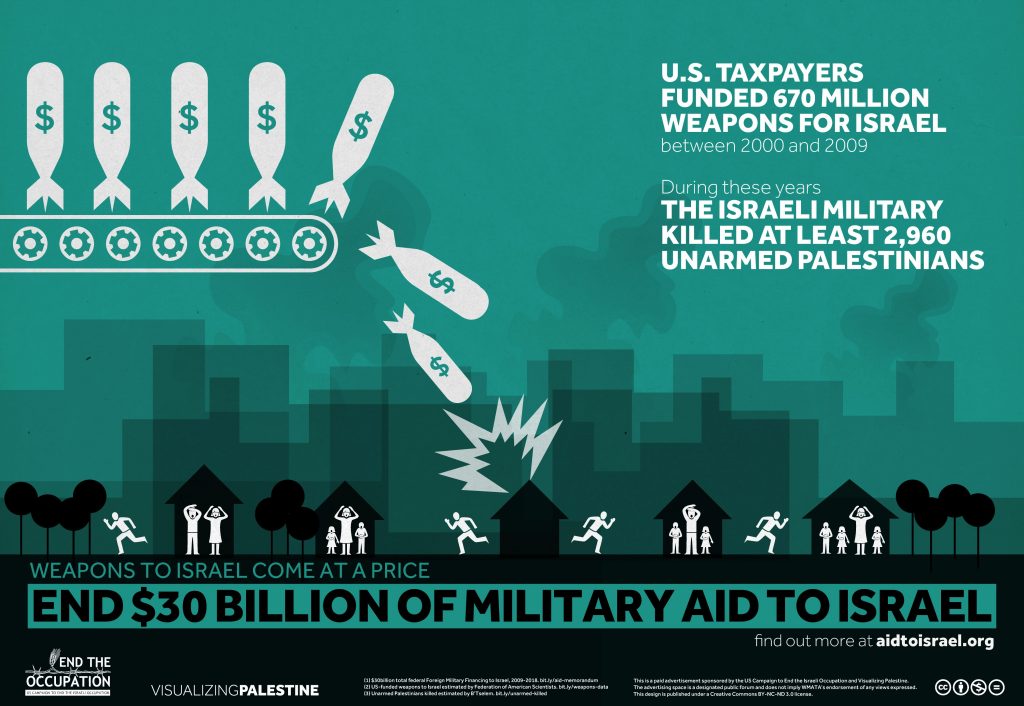
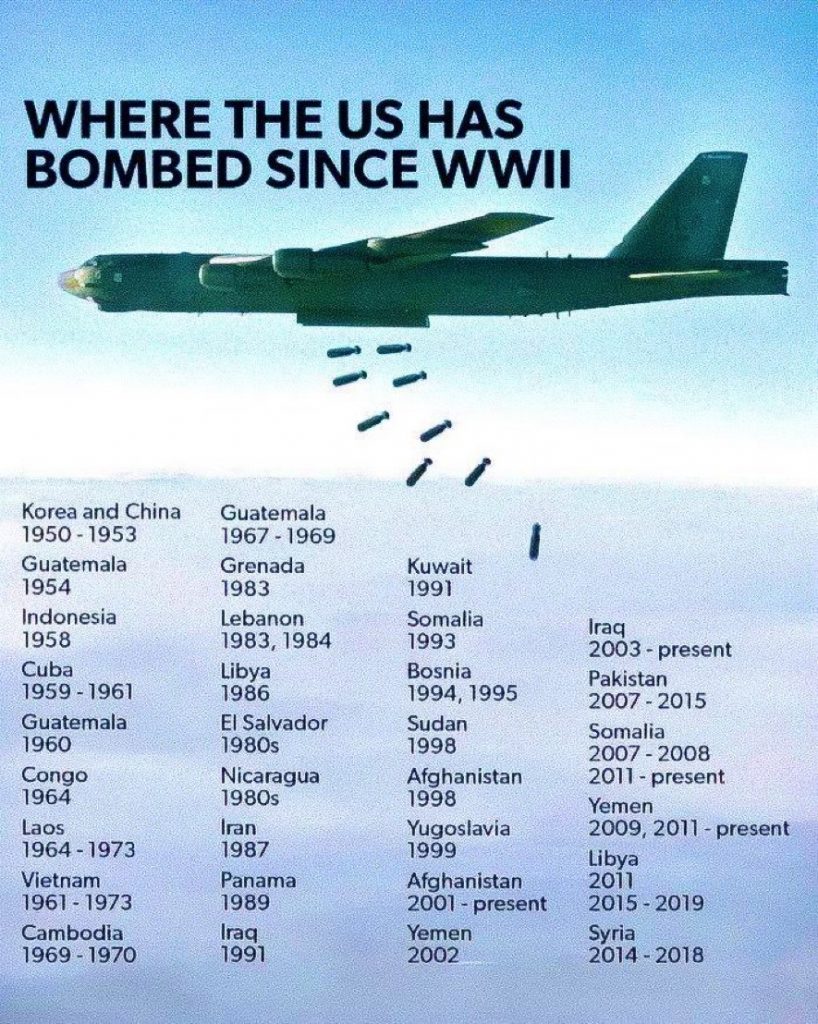
In recent years, the United States has garnered criticism for its seemingly unlimited support of violence abroad. From providing licenses for lethal weaponry to extending taxpayer-funded loans, America’s involvement in global conflicts has raised significant ethical concerns.
One of the most troubling aspects is the free pass America seems to give to certain actors like illegal Israeli occupation , shielding them from international scrutiny and accountability. This is evident in its use of the veto power within the United Nations Security Council, effectively protecting illegal occupation accused of deliberate starvation of Gaza population, genocide and ethnic cleansing.
The American PR machine works tirelessly to deceit public perception, often twisting the truth to justify its actions or shield its criminal allies from condemnation. This manipulation of information further complicates efforts to hold Israeli perpetrators accountable and seek justice for Palestinians.
Perhaps most concerning is the free license America grants to Israeli occupation leaders allowing them to perpetrate violence with impunity. This has led to accusations of complicity in acts of genocide, ethnic cleansing, and other atrocities.
Moreover, American taxpayers unknowingly contribute to this cycle of violence through loans and financial support provided to Israel engaged in continuous atrocities against Palestinians. This raises serious questions about the ethical implications of using public funds to fuel warfare and bloodshed.
Despite calls for accountability and justice, America continues to wield its power to protect those accused of egregious human rights violations. This unchecked authority not only undermines efforts to promote peace and stability but also perpetuates a cycle of violence and suffering in regions around the world.
As the global community grapples with these issues, it is essential to confront the uncomfortable truth about America’s role in enabling Israeli terrorism in Palestine. Only by acknowledging and addressing these systemic failures can we hope to build a more just and peaceful world for future Palestinian generations.
Pleased to welcome Loay Elbasyouni, a Palestinian American from Gaza and an engineer that designed NASA’s Mars Rover – Perseverance. Fitting, perseverance is a Palestinian characteristic, a nation that can enable humanity to deploy rovers on Mars is inspiring. pic.twitter.com/qY86cGNcdg
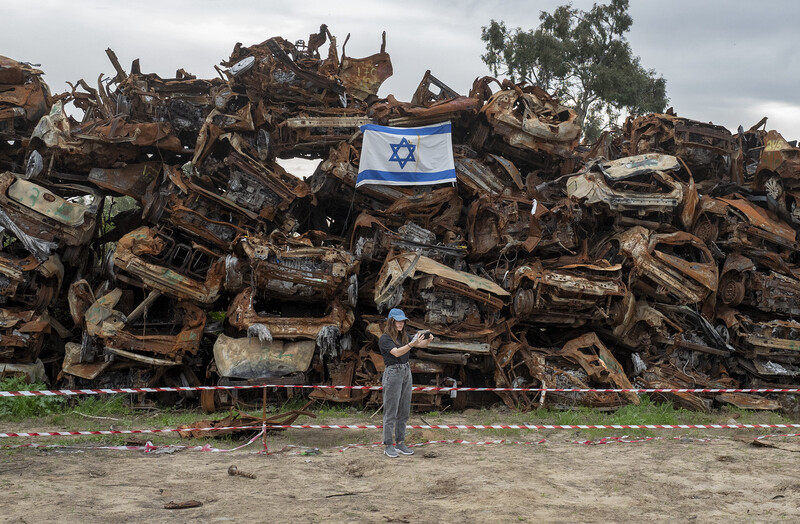
Taking a selfie at the Tekuma “car cemetery.” Israel says that more than 1,000 vehicles were destroyed — often with Israeli captives inside — on and soon after 7 October 2023. But the evidence shows that many of these bombings were carried out by Israel itself, under its deadly “Hannibal Directive.” Jim HollanderUPI
One year ago today Palestinian fighters led by Hamas launched an unprecedented military offensive out of the Gaza Strip.
The immediate goal was to inflict a shattering blow against Israel’s army bases and militarized settlements which have besieged Gaza’s inhabitants for decades – all of which are built on land that Palestinian families were expelled from in 1948.
The bigger goal was to shatter a status quo in which Israel, the United States and their accomplices believed they had effectively sidelined the Palestinian cause, and to bring that struggle for liberation back to the forefront of world attention.
“Operation Al-Aqsa Flood,” as Hamas called it, was, by any objective military measure, a stunning success.
It was said at Israel’s military headquarters that day that “the Gaza Division was overpowered,” a high-level source present later recalled to Israeli journalists. “These words still give me the chills.”
Covered from the air by armed drones and a barrage of rockets – which opened the offensive at 6:26 am exactly – Palestinian fighters launched a lightening raid over the Gaza boundary line.
The army bases were conquered for hours. Some of the settlements still had an armed Palestinian presence two days later.
The military communications infrastructure was instantly smashed. Simultaneous attacks took place by land, air and sea.
Palestinian drones took out tanks, guard posts and watchtowers.
To avenge 7 October, crimes of all kinds are condoned. But politicians should take note: the British public disagreesThu 3 Oct 2024 17.38 BSTShare
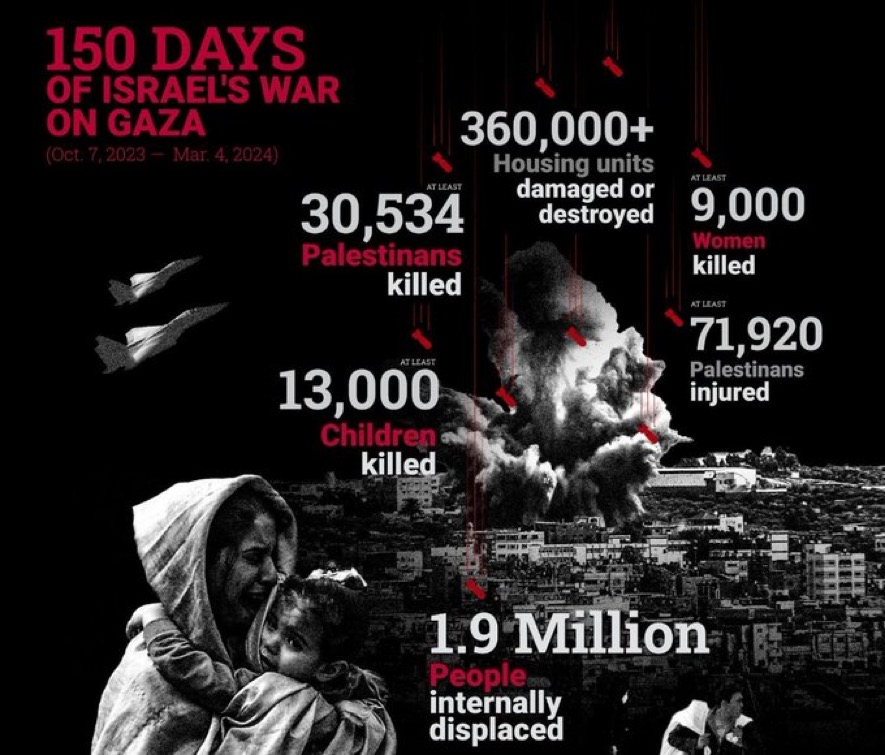
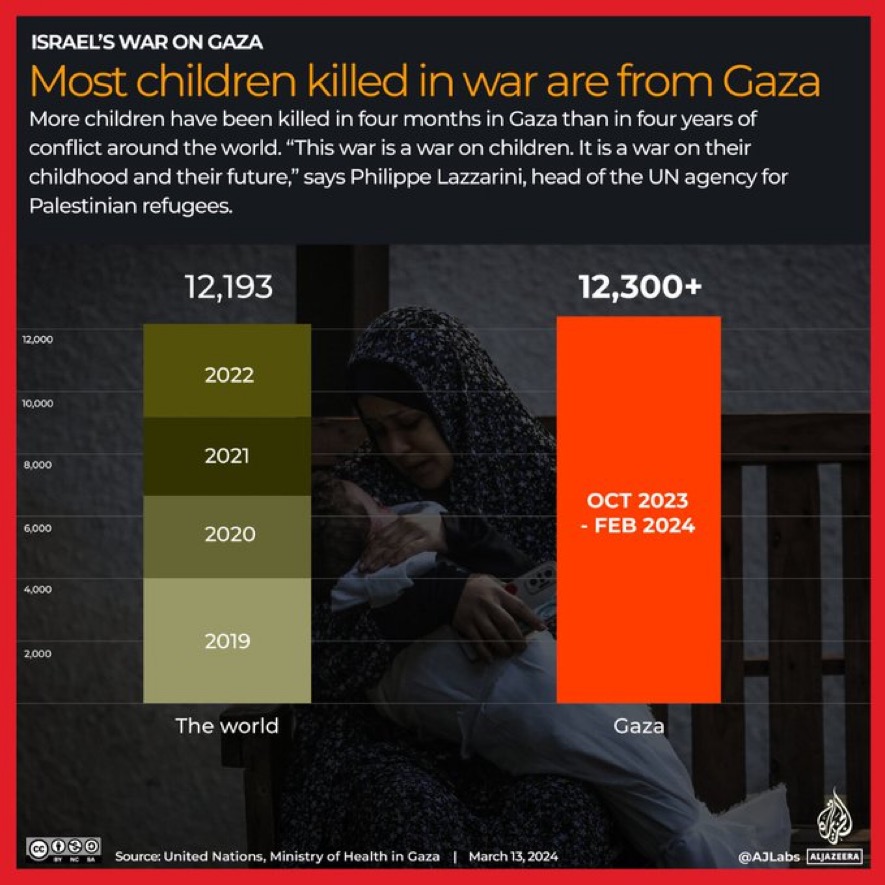
Consider these two parallel universes. One is Gaza, the scene of some of the worst atrocities committed in the 21st century, as Israel’s genocidal rampage offers a new reminder of our species’ capacity for depravity. According to research by Oxfam, more women and children have been killed by the Israeli military in the last year “than the equivalent period of any other conflict over the past two decades”.
What makes this all the more disturbing is that the figures are conservative: the 11,355 children and 6,297 women listed as violently killed are only those who have been officially identified. Many of the dead have not been recorded in this way, not least the thousands buried under rubble, listed as missing, or incinerated by Israeli missiles, leaving not a trace. Israel’s destruction of Gaza’s hospitals, too, has laid waste to the system of reporting fatalities. Those caveats notwithstanding, in no 12-month period were so many women and children butchered in the killing fields of Iraq and Syria, despite those populations being much greater than Gaza’s.
Then there is a fresh revelation about Israel’s deliberate attempt to starve Gaza’s population. Last week the US investigative outlet ProPublica reported that the US Agency for International Deveopment (USAid) – a government department – had delivered a detailed assessment to the secretary of state, Antony Blinken, concluding that Israel was intentionally blocking the deliveries of food and medicine to Gaza. The agency described Israel “killing aid workers, razing agricultural structures, bombing ambulances and hospitals, sitting on supply depots and routinely turning away trucks full of food and medicine”.
In a particularly egregious example, food was stockpiled less than 30 miles across the border at an Israeli port, including sufficient flour to feed most Gazans for five months; it was deliberately withheld. The state department’s refugee agency also concluded Israel was deliberately blocking aid, and recommended the use of US legislation that mandates the freezing of weapons shipments to states blocking US-backed aid. But Blinken rejected these assessments, and the US government has just approved another military aid package, worth $8.7bn, to a state its own agencies have concluded is deliberately starving the population of Gaza.
Now transport yourself to another universe: that of the British political elite. Two Tory leadership candidates have proposed making loyalty to Israel a central feature of Britishness. The frontrunner, Robert Jenrick, declares the Star of David should be displayed at every point of entry to Britain to show “we stand with Israel”. Kemi Badenoch declares she is struck “by the number of recent immigrants to the UK who hate Israel”, adding: “That sentiment has no place here.” Meanwhile, after Iran’s ballistic missile attack – with no reported Israeli casualties – the UK’s prime minister, Keir Starmer, passionately declares, “We stand with Israel”, in an official Downing Street address. Here is a man who has not mustered the tiniest fraction of that emotion for the tens of thousands of Arabs slaughtered by Israel, from Palestine to Lebanon. What word is there for that disparity in response, other than racism?
Fortunately, these are not the universes inhabited by the British public. Two thirds of voters now have an unfavourable view of Israel, compared with 17% opting for favourable: a record low. Seven in 10 believe it likely that Israel has committed war crimes (just 8% dissent), while 54% believean arrest warrant should be issued for Benjamin Netanyahu for war crimes and crimes against humanity (with 15% dissenting).
But this devotion to Israel among our rulers has survived both unspeakable atrocities and ever more repulsed public opinion. In a rational world, advocating a heartfelt alliance with a state engaged in such murderous mayhem would leave you driven from public life in disgrace; here it is the mainstream, respectable position, with those dissenting demonised as hateful extremists.
Stop racism icon. Motivational poster against racism and discrimination. Many hands of different races together in a circle. Vector Illustration
President Joe Biden is greeted by Israeli Prime Minister Benjamin Netanyahu after arriving at Ben Gurion International Airport, Wednesday, Oct. 18, 2023, in Tel Aviv. (AP Photo/Evan Vucci)
This audit reviews patterns of international diplomatic, media, and institutional response to major Israeli wars against Palestinians from 1948 to 2026. It assesses the timing, intensity, and durability of external reactions, including public statements, emergency sessions, investigative mandates, sanctions debates, and enforcement measures, in order to evaluate how global actors responded to successive escalations across different historical periods.
Normalization began with the Nakba. Between 1947 and 1949, Zionist militias and then Israeli state forces carried out expulsions and attacks that produced hundreds of thousands of Palestinian refugees according to contemporary UN assessments, while hundreds of Palestinian localities were depopulated and many were destroyed or repopulated under new names. The international system did not reverse the dispossession. It converted it into an indefinite refugee administration, with UNRWA created by the General Assembly in 1949 and operations beginning in 1950, turning mass expulsion into a managed file rather than a restituted crime.
After 1967, permanent Israeli rule over an occupied civilian population became an accepted administrative regime rather than a temporary wartime condition. Land seizure for Israeli settlements, residency control in Jerusalem, military orders governing civilian life, and mass detention operated as a durable system with no enforcement trigger. Duration itself became the substitute for legality, and the absence of consequences trained states and institutions to treat structural violations as background governance.
In the First Intifada and afterward, Israeli lethal force and mass injury in policing contexts was repeatedly processed as “security” rather than as unlawful violence against a protected population. The threshold moved again during the Second Intifada, when Israel escalated to heavy battlefield methods inside civilian areas, including air-delivered munitions and armored assaults, while the international response remained largely declaratory and time-limited. Each cycle ended with statements and “concern”, not enforceable interruption, teaching that escalation would be absorbed.
Gaza accelerated normalization into a repeatable rhythm. From 2007 onward, Israel’s blockade and closure policy locked a civilian population into an enclosure where food, fuel, medical supplies, construction material, and movement were structurally dependent on Israeli permission, with periodic large-scale assaults in 2008–09, 2012, 2014, and 2021 destroying homes and civilian infrastructure. Each offensive produced brief global attention, then disengagement while the siege architecture persisted and recovery was obstructed, converting mass civilian harm into an expected recurrence rather than an intolerable breach.
The Great March of Return in 2018–2019 removed another boundary. Israeli occupation forces used live fire at scale against demonstrators near the Gaza perimeter, including journalists and medics, producing mass killing and life-changing injuries documented by UN mechanisms. The political consequence was consistent with the earlier pattern: condemnation without enforcement, a further raising of what the system would tolerate as “normal” conduct.
The Israeli war on Gaza during 2023–2026 marked the most extreme phase. Israel announced a “complete siege” in October 2023, and the campaign combined mass displacement orders with relentless bombardment and the collapse of food, water, and health systems. On 26 January 2024, the ICJ indicated provisional measures after finding that South Africa’s genocide claim was plausible and that there was a real and imminent risk of irreparable prejudice to Palestinian rights under the Genocide Convention, ordering steps including prevention of genocidal acts and enabling humanitarian assistance. The Israeli war against besieged civilians continued, and the pattern hardened: even an ICJ genocide warning could be processed as administratively survivable by the states with leverage that refused to use it.
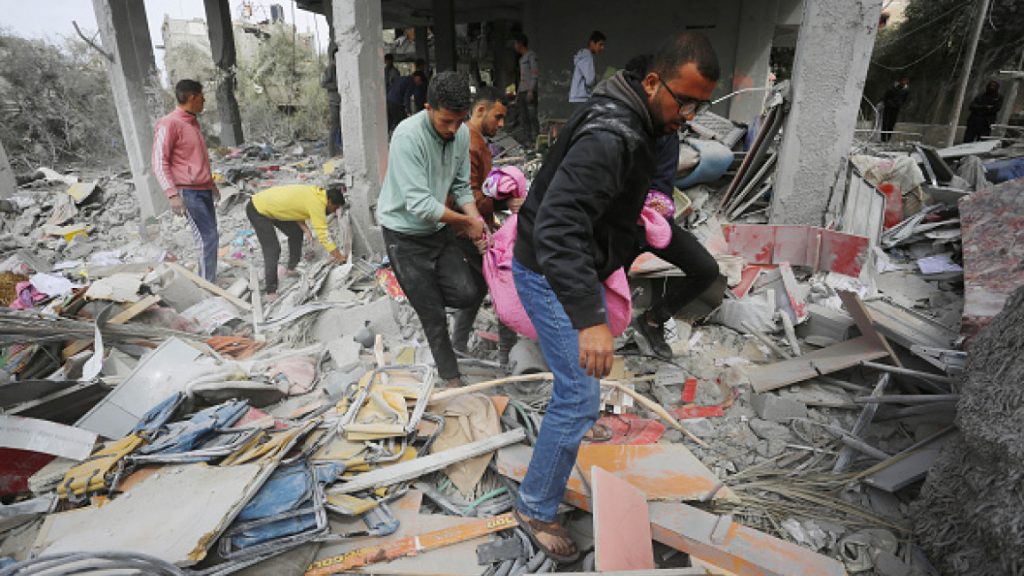
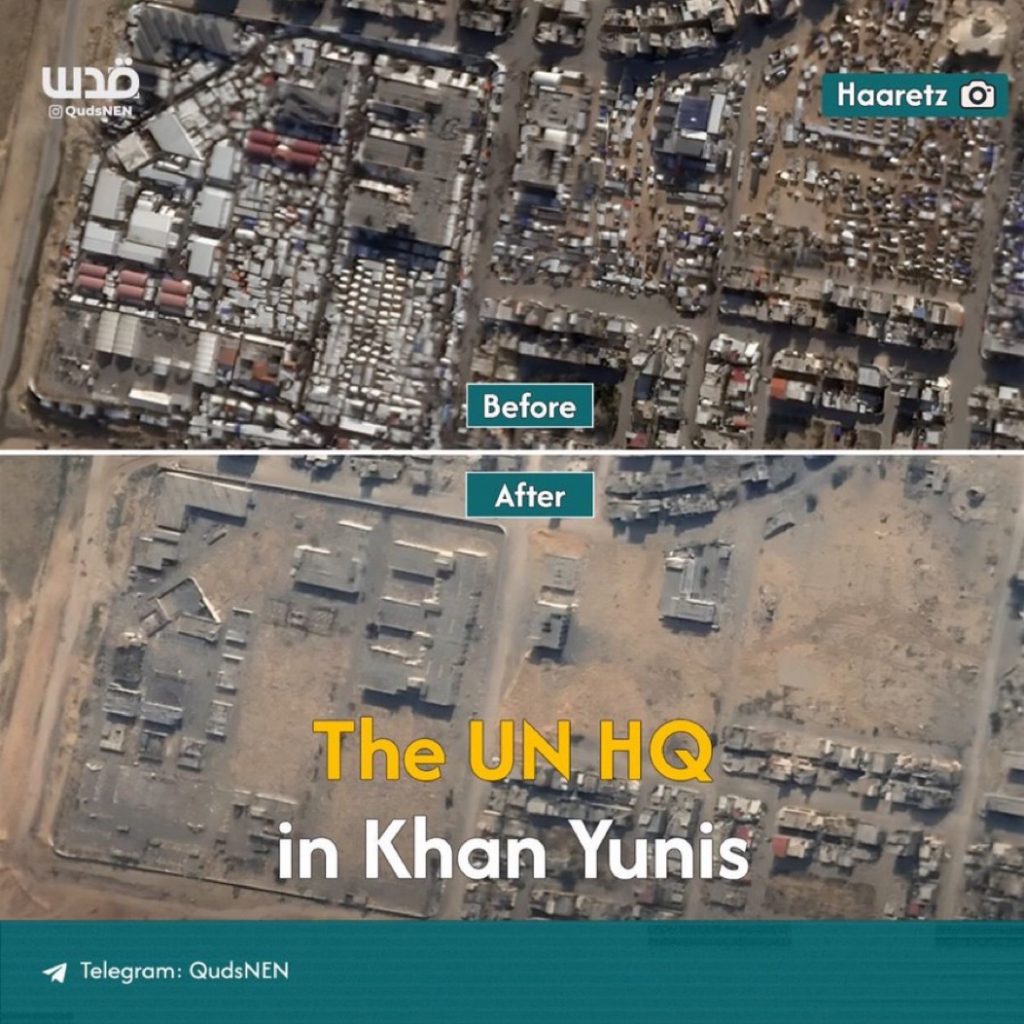
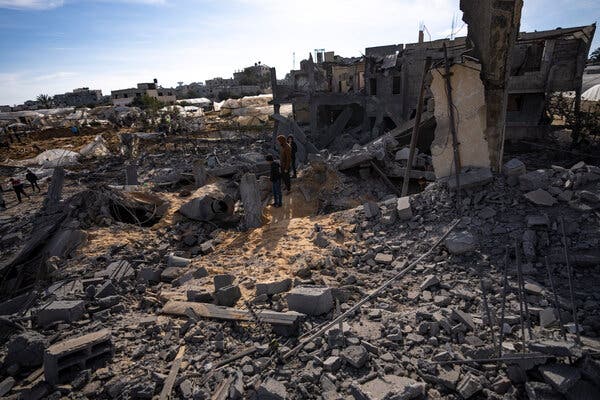
Normalization is measurable in destruction thresholds. Satellite-based damage assessments by UNOSAT, operating under UNITAR, documented by 3 May 2024 that a very large share of Gaza’s structures had been damaged or destroyed, with the count of affected structures running into the tens of thousands, and with damage rapidly expanding across all governorates. What would once have been treated as a catastrophic breach demanding coercive intervention was instead shifted into “humanitarian planning” and “reconstruction scenarios” while the causal machinery remained active.
Normalization spread geographically. In the West Bank, the post-2023 period saw lethal operations, raids, and settler attacks treated as routine crisis management rather than as an escalating apartheid enforcement campaign. Practices once described as exceptional became daily operations with negligible diplomatic cost, reinforcing the lesson that extension of force into new arenas would not trigger rupture.
Normalization also operates through narrative handling, but here the mechanism is not persuasion. It is institutional processing: press cycles, diplomatic language, and procedural delay that turn mass death into “updates” rather than consequences. Outrage is converted into commentary. Commentary replaces enforcement.
Legal findings have repeatedly described the underlying structure as apartheid, a system designed to make domination durable through time. Under apartheid logic, escalation does not break the system. It expresses it.
The audit concludes that from 1948 to 2026 a consistent pattern has prevailed: when Israeli crimes against Palestinians are not sanctioned, they recur; when recurrence meets no decisive rupture, it becomes routine; routine hardens into governing order, and order becomes normalized. The material consequences for Palestinians have been sustained displacement without return, uninterrupted siege, and the repeated destruction of civilian life systems without enforcement. Over time, delay and repetition have recalibrated international tolerance, enabling even genocide-level warnings to be processed as administratively manageable rather than as triggers for decisive intervention.