S.T. Salah, 24/12/25

Scene:
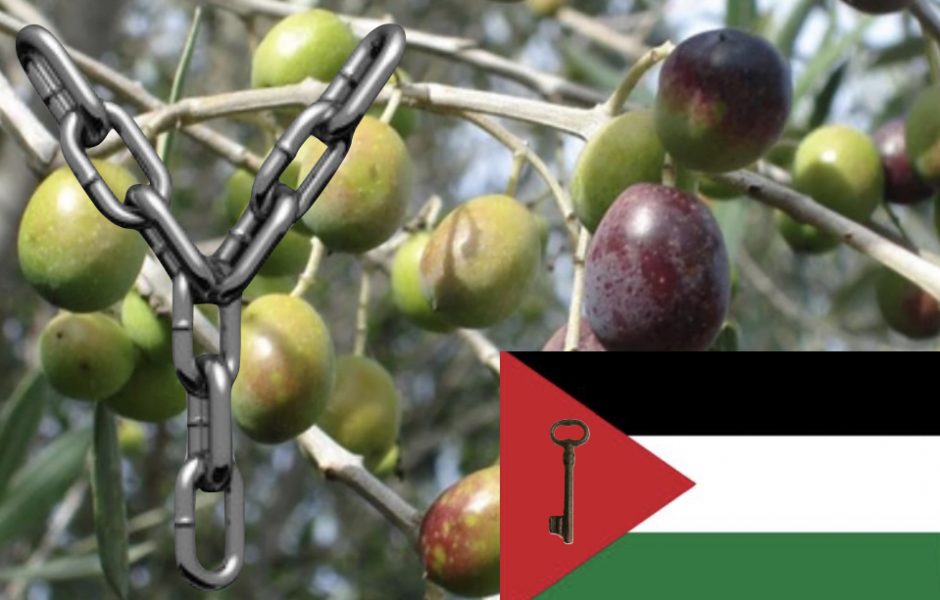
The sun burns gold over a vast plaza lined with olive trees planted where concrete once divided lives.
The separation wall is gone — every stone dismantled, each slab crushed into gravel that now paves playgrounds and walking paths.
In the breeze, a faint echo of children laughing replaces the old hum of drones.
Across the square, signs mark the “Reclaimed Lands” — hundreds of former settlements, now returned to Palestinian families as part of a justice-for-land program.
Every new home bears a plaque: “Given back in compensation for the years of occupation.”
Handala stands where a museum once was rubble. His back still turned, fists small and unyielding.
A kid approaches, wearing a school badge that reads: “United Republic of Palestine-Israel — Department of Shared Memory.”
⸻
Kid (grinning):
You’re shorter than I imagined. But stronger. Our teachers say you carried the conscience of the world on your back.
Handala (without turning):
Carried it? No. I dragged it, kicking and screaming, through a century of excuses.
Kid (laughs):
You’ll be glad to know — the excuses didn’t survive the Truth Decade. The wall came down, the borders opened, the confiscated land was returned. We even turned the old checkpoints into art galleries.
Handala (dryly):
Art galleries? Fitting. The soldiers who once stopped ambulances can now stop and reflect.
Kid:
Exactly. And the settlements? They’re no longer fortresses. They were given to displaced families as reparations — the first tangible act of justice. Now they’re co-ops, schools, and tech hubs. You’d like them — every brick holds a confession.
Handala (a low hum):
And the world? Does it finally see what it looked away from?
Kid:
It had to. History made sure. The Museums of Gaza tell the story without filters — the starvation, the rubble, the lists of names that stretched longer than excuses. The footage that was once censored now opens every Gaza Day. People stand in silence, not out of guilt, but respect.
Handala:
And the people who justified it all?
Kid (shrugs, firm):
Judged by time, condemned by conscience. The tribunals after the Peace Accords named the crimes — not to punish the past, but to protect the future. The old powers who once shielded war criminals had to face their own hypocrisy. History didn’t forget them. We teach them in ethics classes under “The Cost of Complicity.”
Handala:
Good. Truth should have a syllabus. And what about your borders?
Kid:
Borders? Oh, you mean the lines where humanity used to stop?
They’re gone. People move freely. The new passport says “Equal Citizen.” Palestinians travel, study, work — everywhere. No one asks them for permits anymore, only stories.
Handala (half-smile):
Stories last longer than permits.
Kid (nodding):
That’s the idea. Our schools open with a line from your creator, Naji al-Ali: ‘Handala is the conscience that never dies.’
Now he’s part of the curriculum — Art of Resistance, Year One.
Handala (gruffly):
So, I’m homework now? That’s crueler than occupation.
Kid (grinning):
Sarcasm survived too, don’t worry. We kept it in your honor.
But you’d like our lessons — no censorship, no propaganda. We teach the old crimes not to shame, but to guard against forgetting. We call it Ethics of Memory.
Handala:
And the olive trees?
Kid:
They cover the hills again. Nobody burns them now. The groves were replanted over the ruins of demolished homes — as living monuments. Some people say when the wind moves through them, it sounds like forgiveness arguing with justice.
Handala:
Let justice win that argument. Forgiveness can follow later.
Kid (smiles softly):
It has. Every October, on Gaza Day, we pause — not for sorrow, but for renewal. Children light candles, teachers read the testimonies, and we plant one olive sapling for every town that was erased. Five hundred and fifty trees — every year. The land is green again.
Handala:
And the media? Still manufacturing silence?
Kid:
No. The new Charter of Journalism made “silence in the face of atrocity” an act of professional misconduct. Journalists who once looked away are now quoted in textbooks — as warnings. The press became the people’s conscience instead of their anesthetic.
Handala:
So… the world finally learned?
Kid:
It had to, or it wouldn’t have survived. When the occupation ended, humanity rediscovered itself. People finally understood that oppression anywhere poisons freedom everywhere. The lesson became law: there is no free world without a free Palestine.
Handala (slowly turns, facing the sunlight for the first time):
And the wall?
Kid:
Gone — ground into dust and mixed with soil to fertilize the olive groves. We called it “The Breaking of the Concrete.”
We built playgrounds on the rubble. Kids now play where snipers once perched. The laughter is loud enough to wake the ancestors.
Handala (a rare, tender smile):
Then maybe, finally, I can stop turning my back. Maybe the world has become something I can face.
Kid (salutes):
Welcome home, Handala. The land waited for you.
Handala:
No, child — it waited for all of us to grow up.
⸻
The plaza hums with life.
The olive trees sway over the foundations of what once was the wall.
A banner flutters between two lamp posts:
“Justice is the seed. Memory is the root. Peace is the fruit.”
And beneath it, the boy who never grew older finally smiles.