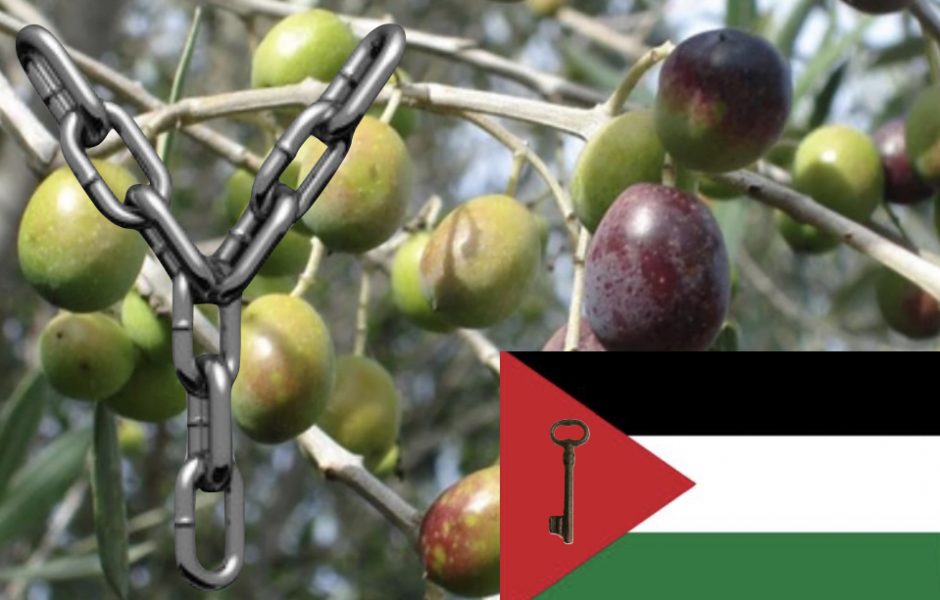
Phalapoem editor, 28/11/25

The proverb “When you have more than you need, build a longer table, not a higher wall” carries a universal moral message. It calls on people and nations to choose generosity over fear, openness over exclusion, and community over division.
But this message takes on a deeper, more urgent meaning when viewed through the reality of occupied Palestine, where a literal separation wall divides families, communities, and entire ways of life.
The concrete barrier that cuts through the West Bank stands more than 700 kilometers long and up to eight meters high. For many Palestinians, it is not only a physical obstruction but also a symbol of:
• collective punishment.
• restricted movement
• economic hardship
• separation from farmland
• isolation from family and
neighbours
• apartheid and fascism
• unequal distribution of resources
• hatred, racism , discrimination and ongoing conflict
Where walls rise, fear grows. Where tables extend, trust is built.
A longer table is not just a metaphor for hospitality, it is a call for justice.
It means:
• recognizing the humanity of those on the other side of political or physical borders
• acknowledging shared values and shared struggles
• understanding that safety comes not from fortification but from fairness
• creating spaces where people can meet, eat, talk, and be seen
In occupied Palestine, where families are separated by Israeli checkpoints and apartheid walls, the idea of a shared table is a radical act of hope.
In Palestinian culture as in many others food is a sacred expression of love. Offering bread, olives, or warm dishes to a guest is more than nourishment; it is a declaration:
“You are welcome. You belong here.”
A long table filled with maqlouba, hummus, taboon bread, and fruits from the land symbolizes:
• rootedness
• hospitality
• resilience
• cultural survival
At such a table, the wall becomes irrelevant or better yet, collapses completely.
Walls freeze conflict.
Tables invite conversation.
What would it mean to choose policies that build understanding instead of barriers?
That prioritize dignity over superiority and dominance?
That see every human being as deserving of safety, respect, and a place at the table?
It would mean imagining a future where:
• children on both sides grow up without fear
• communities thrive through cooperation
• diversity becomes strength
• justice replaces hostility
A future where the long table becomes real not just an illustration.
The message is simple, but its impact is profound:
Those who have more power, land, safety, and resources carry a responsibility to share.
Extending the table is an act of courage.
Breaking the apartheid wall is an act of justice.
Sitting together is an act of peace.
In a world where too many walls rise, may we choose to build spaces of connection, in occupied Palestine and everywhere where every person has a seat, a voice, and a share in the feast of humanity.