Astromystic, 26/12/25

Stretching over 700 kilometers, Israel’s separation wall in the West Bank is more than a physical barrier—it is a symbol of occupation, a tool of control, and a profound disruption to the daily lives of Palestinians. Erected in the early 2000s, the wall cuts across Palestinian land, displacing communities, severing families, and destroying livelihoods. As detailed in Palestine Inside Out: An Everyday Occupation by Saree Makdisi, the wall is not merely a line on a map; it is a living, breathing imposition of military power that reshapes the geography, economy, and social fabric of Palestinian life.
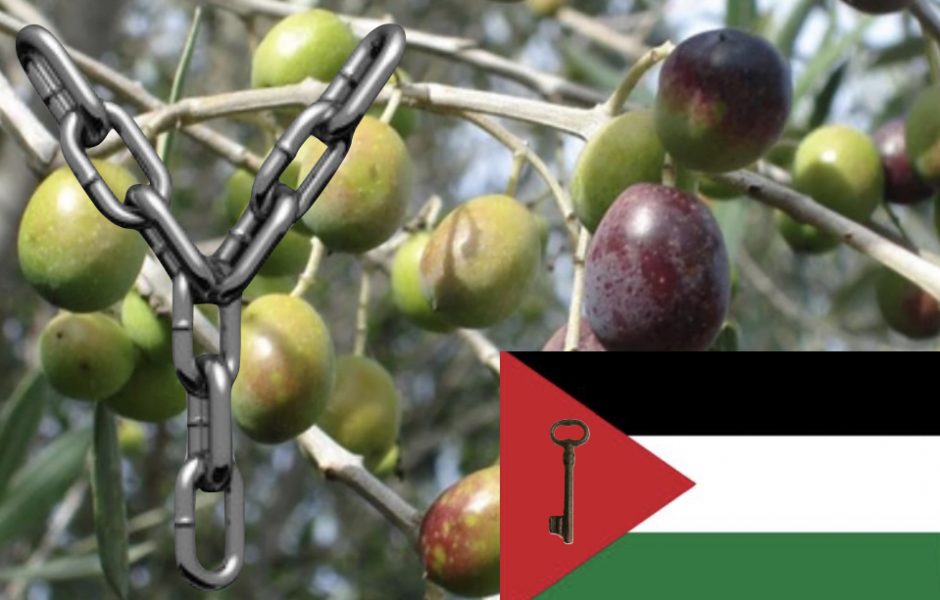
For Palestinians, the wall is a daily reminder of exclusion. Families are split—children attending school on one side of the wall, parents working on the other. Fields and olive groves are lost to the wall’s footprint, while roads, markets, and access points are blocked or monitored by checkpoints. Villages like Bil’in, Be’erot, and Ramallah are physically and emotionally isolated, their connection to neighbors, towns, and the broader world severed. The wall’s construction is often carried out without consultation, without compensation, and without regard for the lived experience of those it displaces.
Beyond physical division, the wall has economic consequences. Palestinian farmers cannot access their land, small businesses cannot transport goods, and families cannot visit relatives. The psychological toll is equally severe. The wall fosters a sense of confinement, turning communities into “prison-like” enclaves. Children grow up with the wall as a constant shadow, and elders mourn lost land and lost connections.
Moreover, the wall is not just a barrier—it is a mechanism of control. Israeli forces use it to prevent Palestinian movements, to enforce curfews, and to protect settlements. It has become a tool of psychological warfare, reinforcing the idea that Palestinians are “other”—outside the law, outside the state, outside the narrative of normalcy. The wall’s presence normalizes surveillance, suspicion, and fear, embedding the logic of occupation into daily life.
Despite its physical permanence, the wall is not invincible. Palestinian communities have resisted through protests, legal challenges, and acts of civil disobedience. Yet, the wall’s impact remains profound. It is a testament to how occupation reconfigures space—not just to control, but to erase. For Palestinians, the wall is not just a line—it is a wound, a prison, a monument to displacement. The wall, then, is not just a boundary—it is a living story of resistance, resilience, and the enduring struggle for dignity. Until it is dismantled, Palestinians will continue to live with its shadow—a reminder that occupation is not abstract, but embedded in every step, every breath, every day.